20 Acres
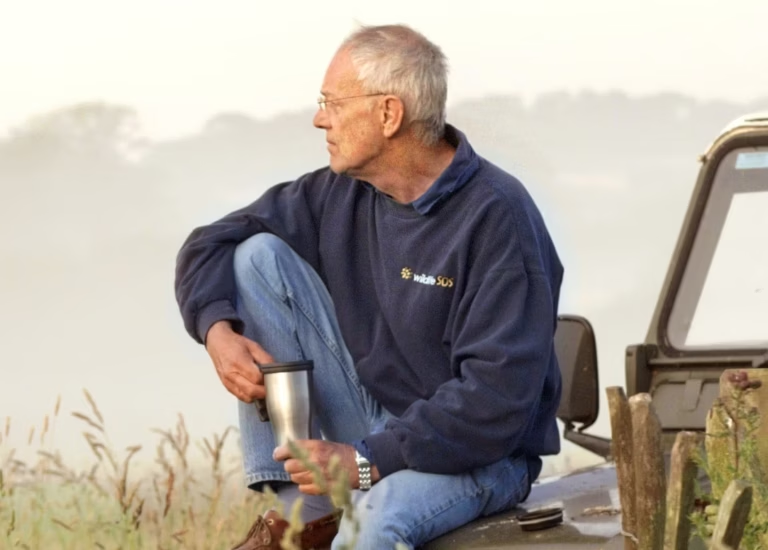
Simon's Vision
20 Acres was originally purchased with the understanding that Wildlife Aid would need to relocate, following Simon’s passing, as it was believed we would no longer be able to remain at our existing site – Simon’s home.
However, thanks to Simon’s dedication and determination to secure the charity’s future, in one last act of service to WAF, he was able to navigate our being able to stay in the very same location that he and his then wife, Jill, had founded Wildlife Aid, all those years ago.
Now, we can use 20 Acres to protect wildlife in a different way…
Biodiversity
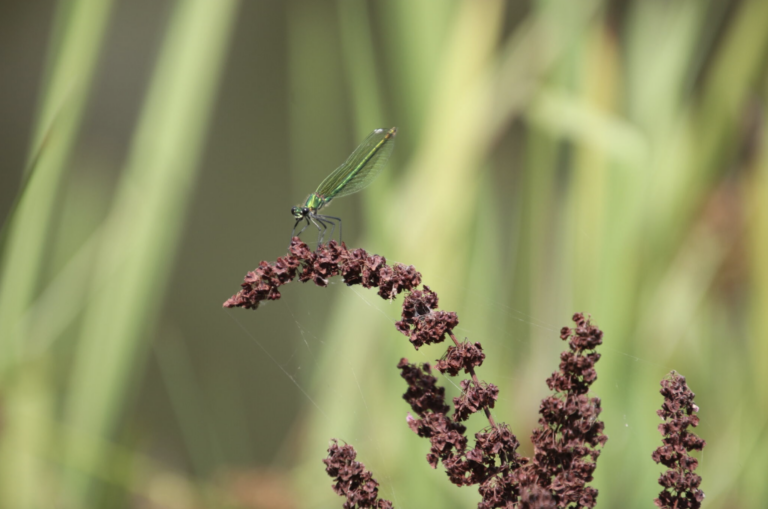
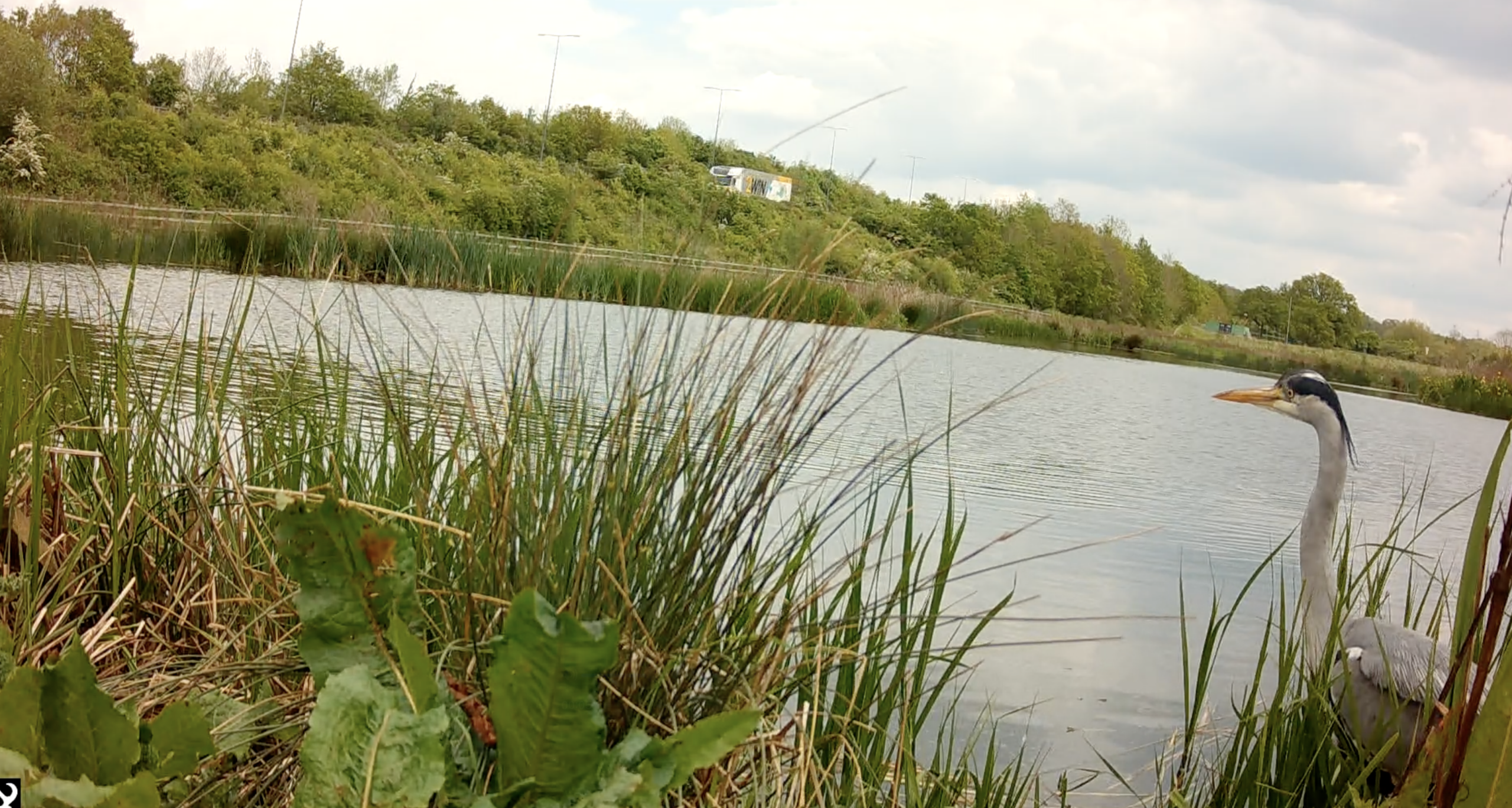
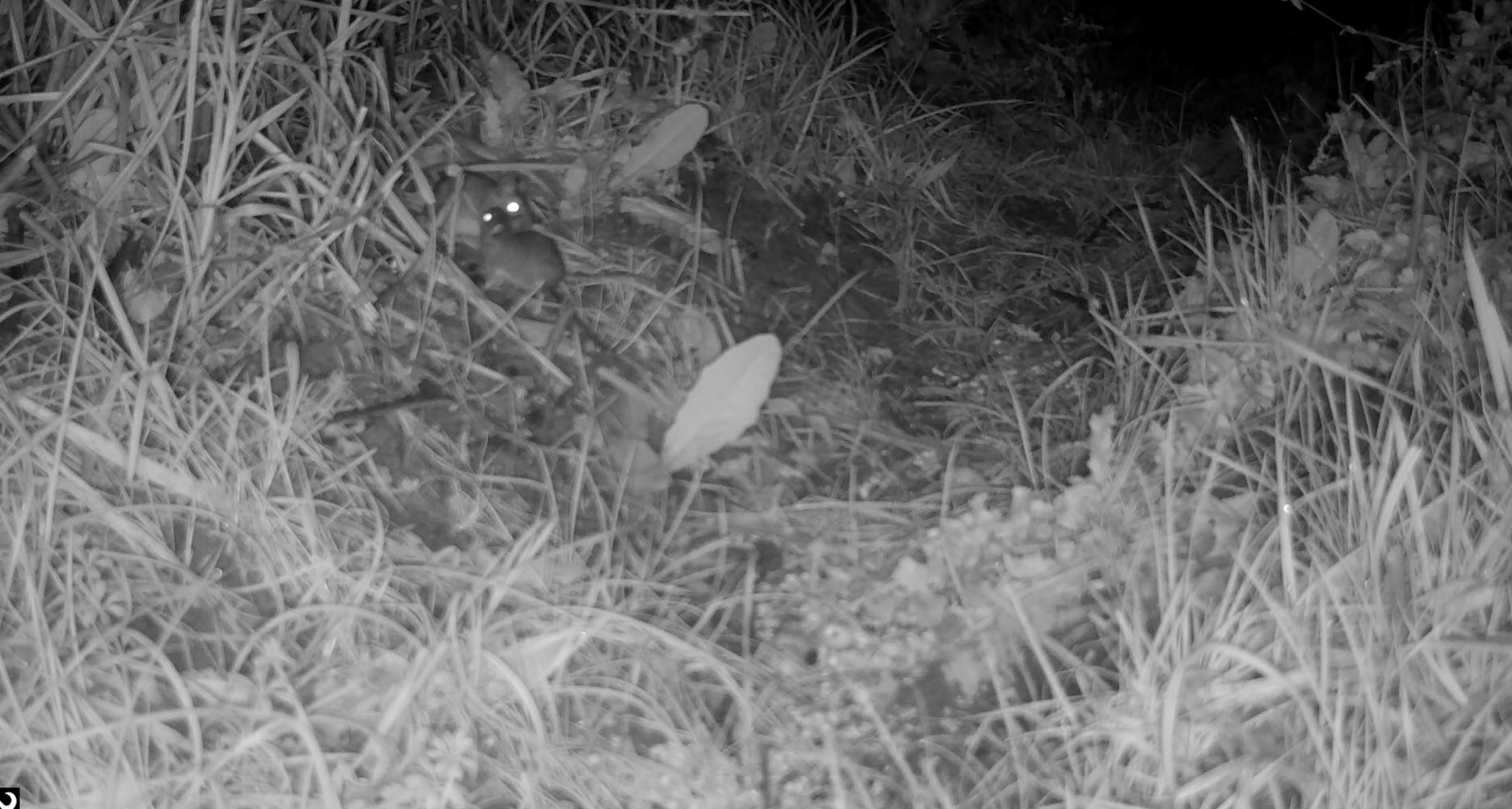
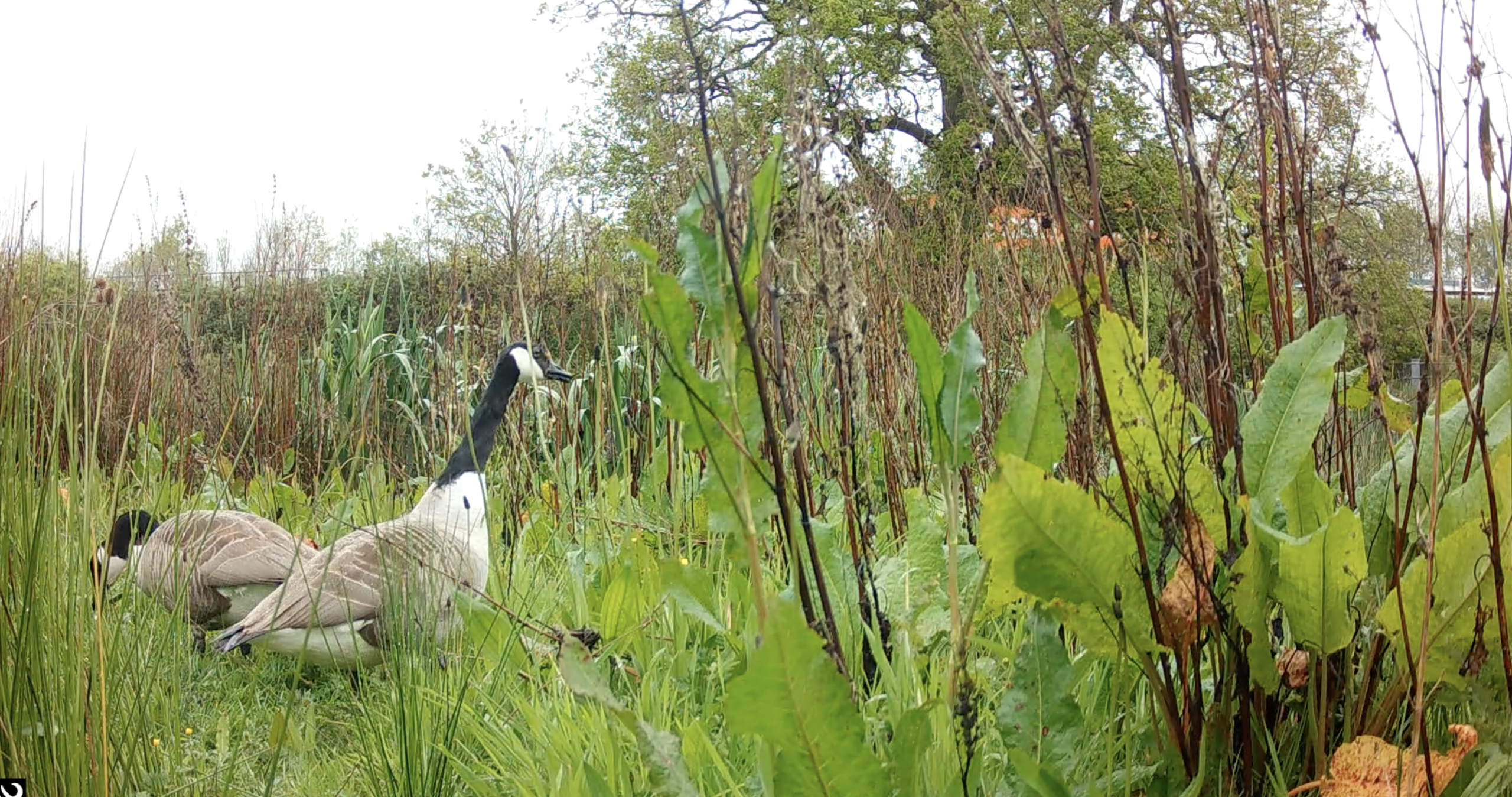
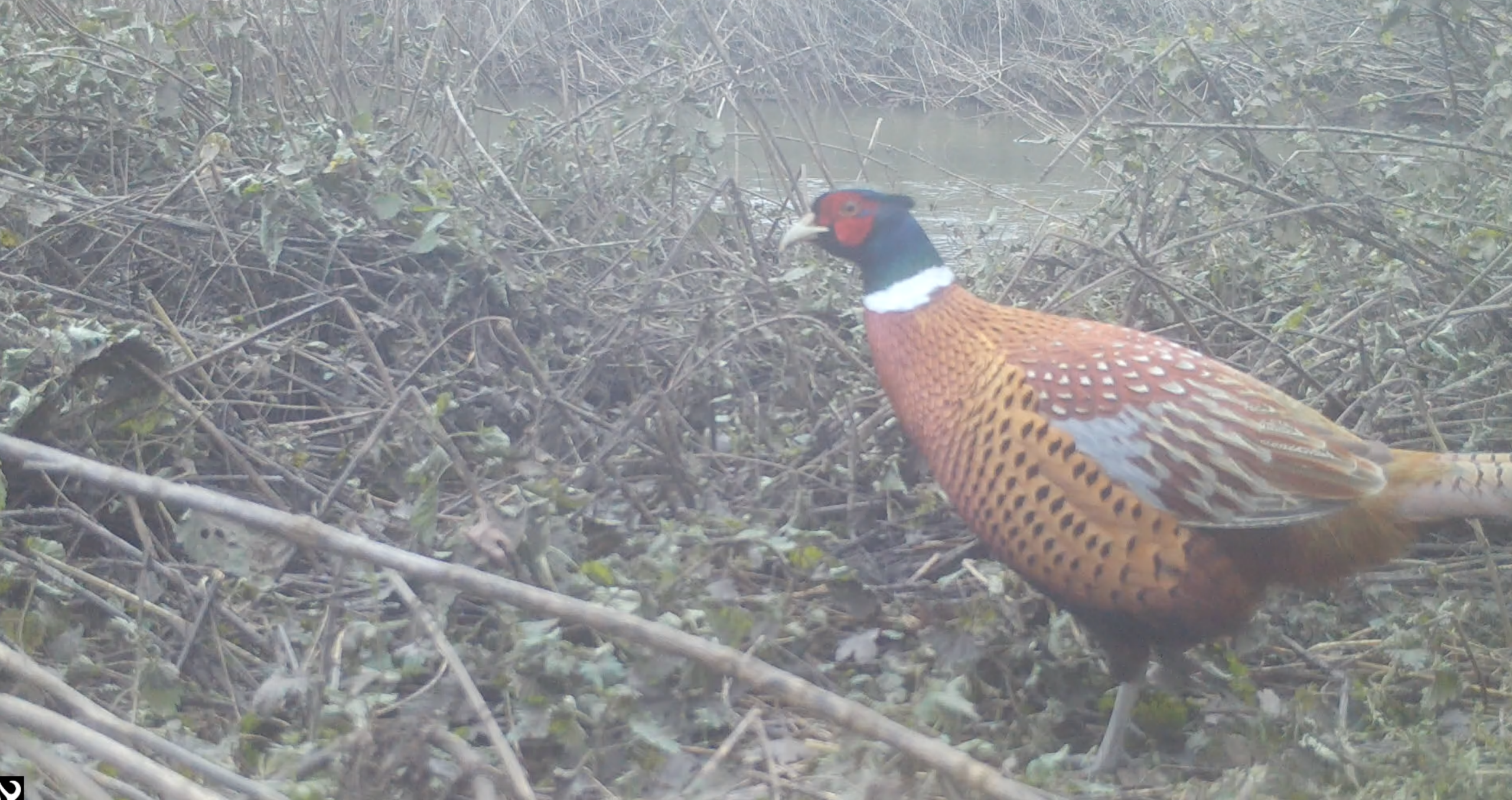
In the few short years since we acquired the land, biodiversity has already started to thrive! There are currently an incredible number of species calling 20 Acres their home, including wetland birds, birds of prey and mammals, such as water voles.
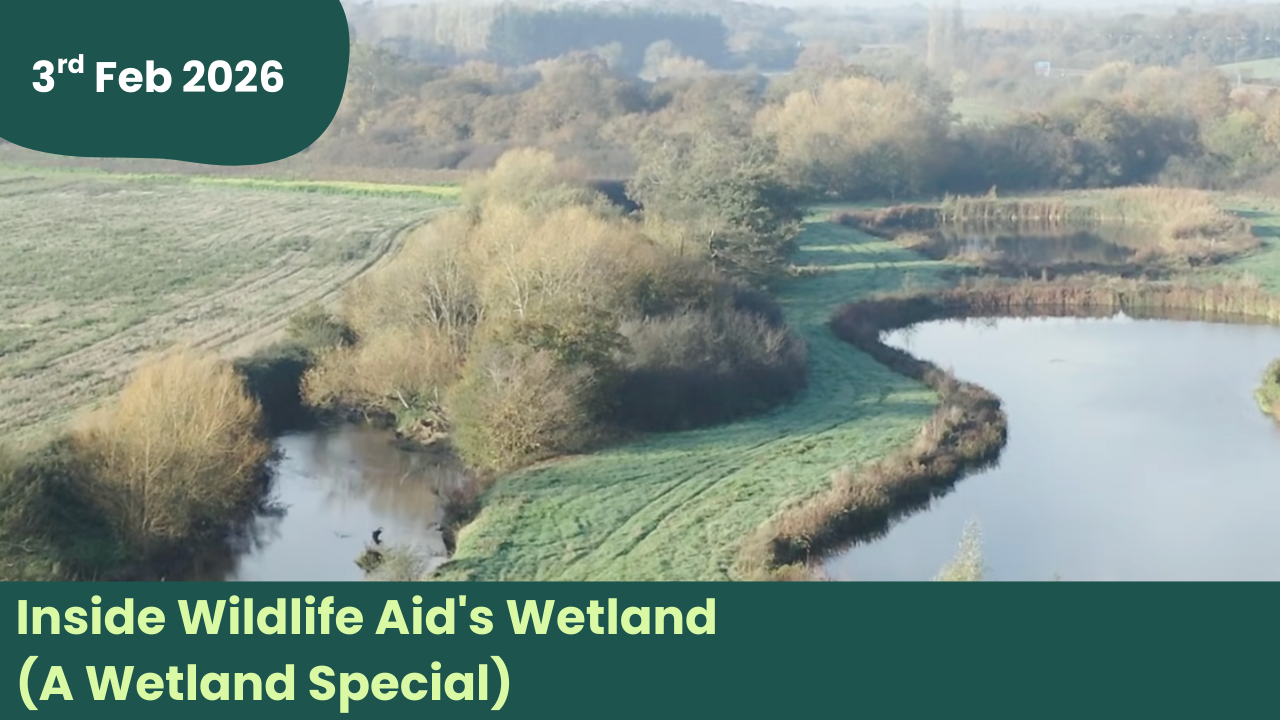
Year after year, we have continued to enhance the site to create an even richer habitat for wildlife. In summer 2020, we began major habitat works, excavating three lakes that now form the heart of the site, around which a diverse range of vital wildlife habitats have been established. This impoverished floodplain has been transformed into a thriving wetland habitat and important wildlife corridor.
All of this work adds to the crucial element of our holistic approach to protecting the natural world around us. This was something Simon was always passionate about, as he always insisted: we must do our best to look after key local habitats to ensure the patients we release still have healthy ecosystems to return to.
Take a Look At the Biodiversity
Biodiversity at 20 acres
0:32
0:30
0:20
0:30
0:59
Watch For More
Future Plans
The long-term future of 20 Acres remains unknown at this point in time, however, we have a few exciting ideas in the works. Currently, the aim is to continue to transform 20 Acres as a wildlife reserve, with the potential for a visitor centre and educational talks to inspire learning and promote conservation.
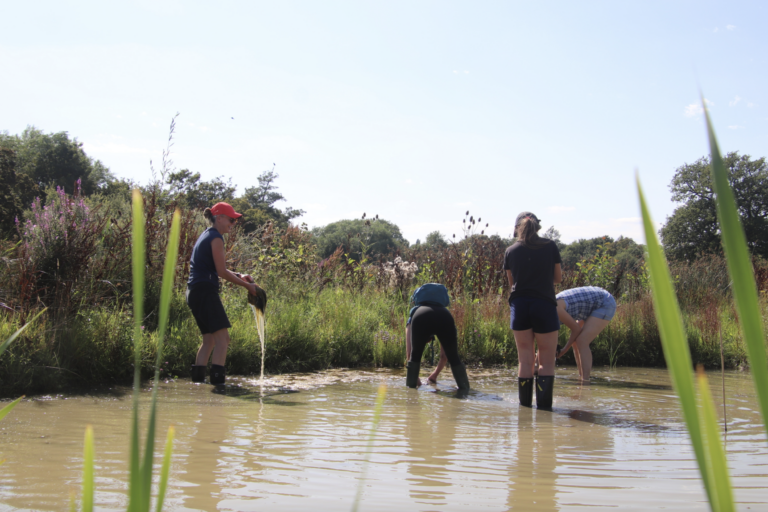
Ongoing work includes planting and maintaining whips as they develop into hedgerows, orchards, shrubland, and woodland; managing ponds and scrapes to encourage diverse aquatic and marginal plant life; and creating log piles and insect hotels to support pollinators and other invertebrates that underpin healthy ecosystems.
We plan to implement bird hides, community gardens and, this spring, we’re working to create vital nesting habitat for wetland birds, by installing a series of floating nesting platforms across our lakes. These structures provide safe breeding spaces, and will help support even more wildlife at the site.
We also plan to undertake surveys and investigations to identify, protect, and enhance biodiversity and habitats.