
European Mole
Talpa europaea
European Mole - Life History
Length: 113-159mm
Tail: 25-40mm
Weight: 72-128g
Diet: Earthworms, larvae
Habitat: Upland, moorland, woodland, grassland, arable land, urban areas and gardens
Average Lifespan: 3-6 years
When to see them: Breeding season (Feb to June) although it is very unlikely to spot them above ground
UK population: Estimated 35-40 million
UK conservation status: Common
About European Moles
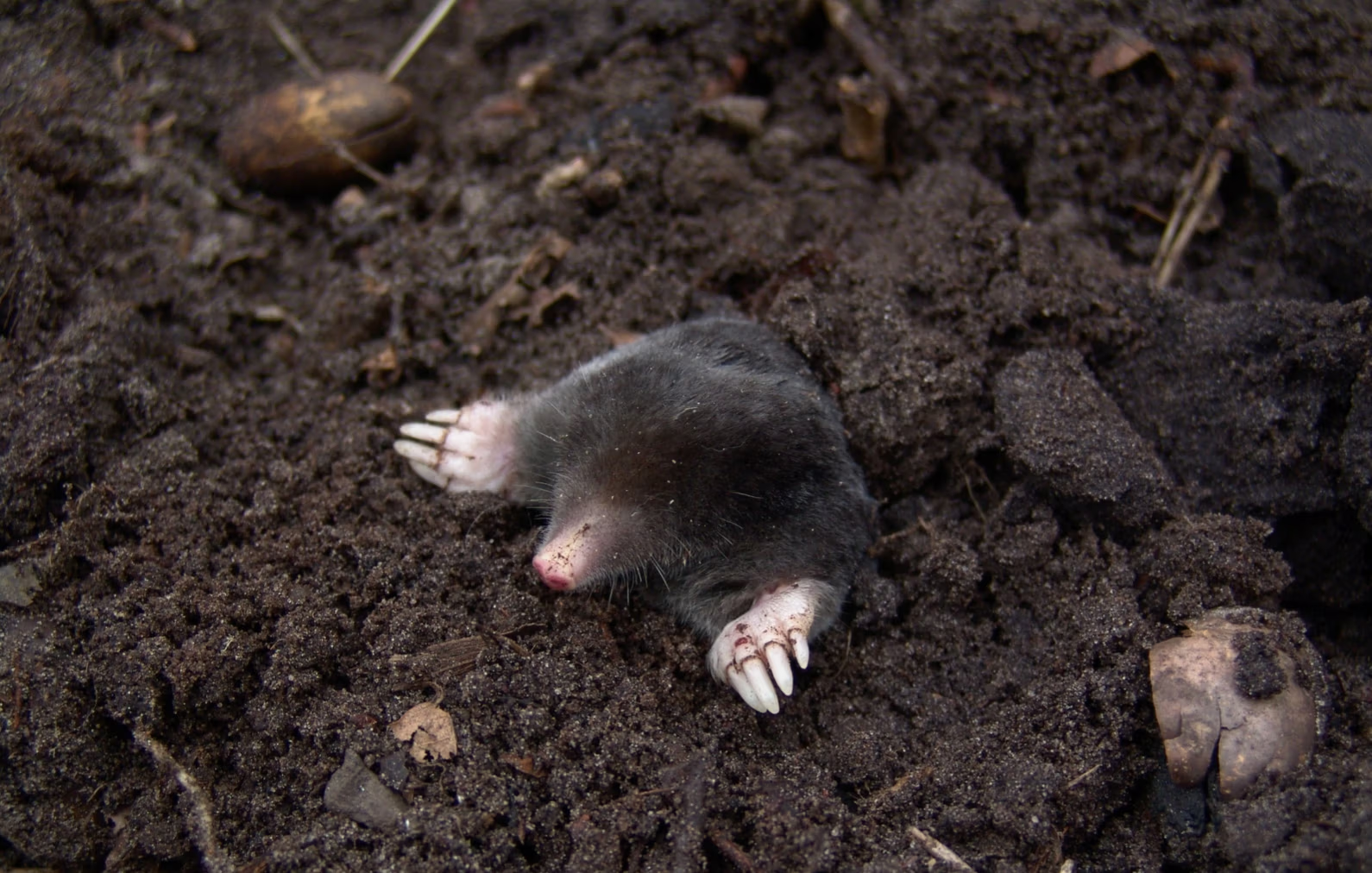
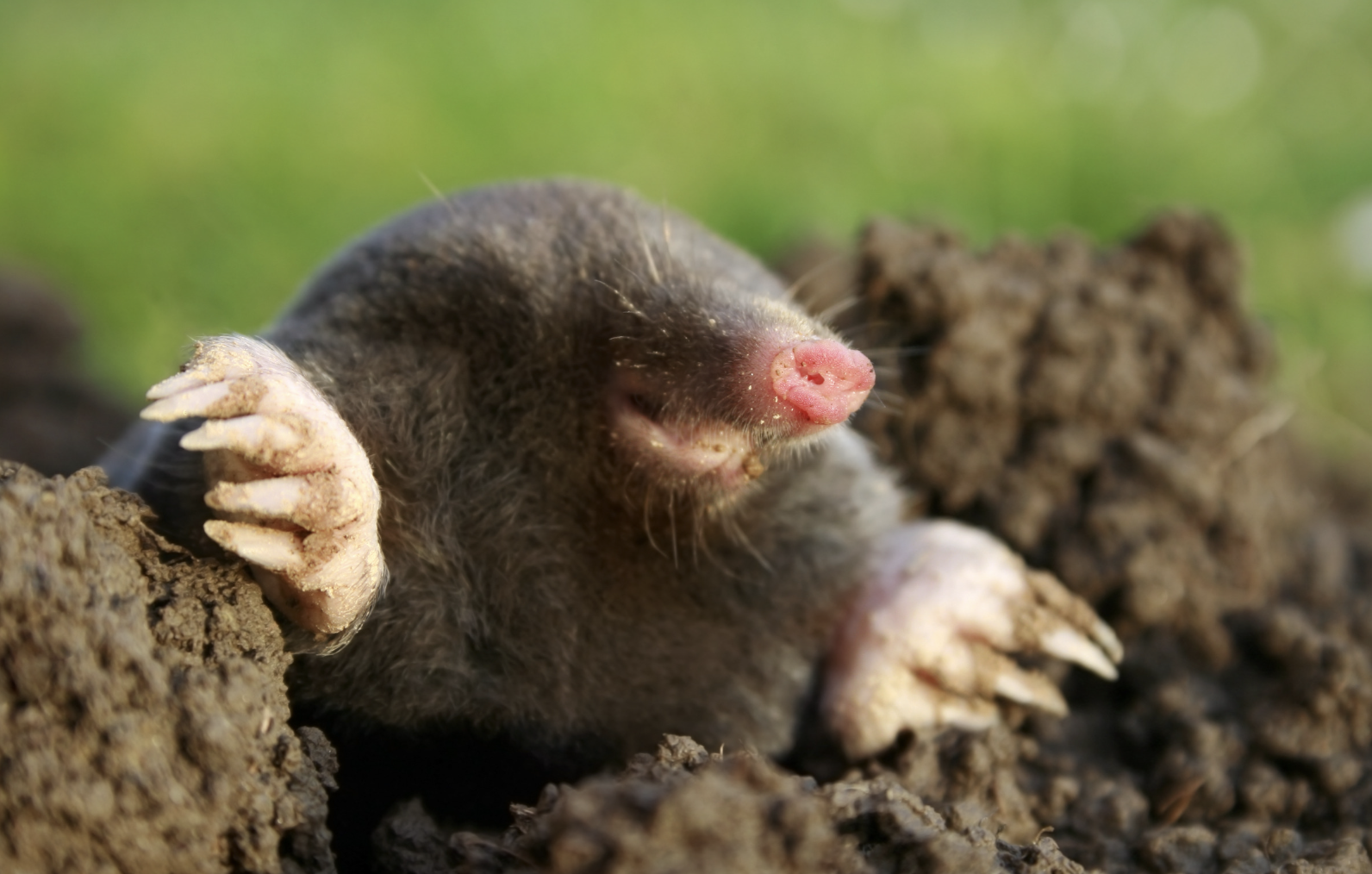
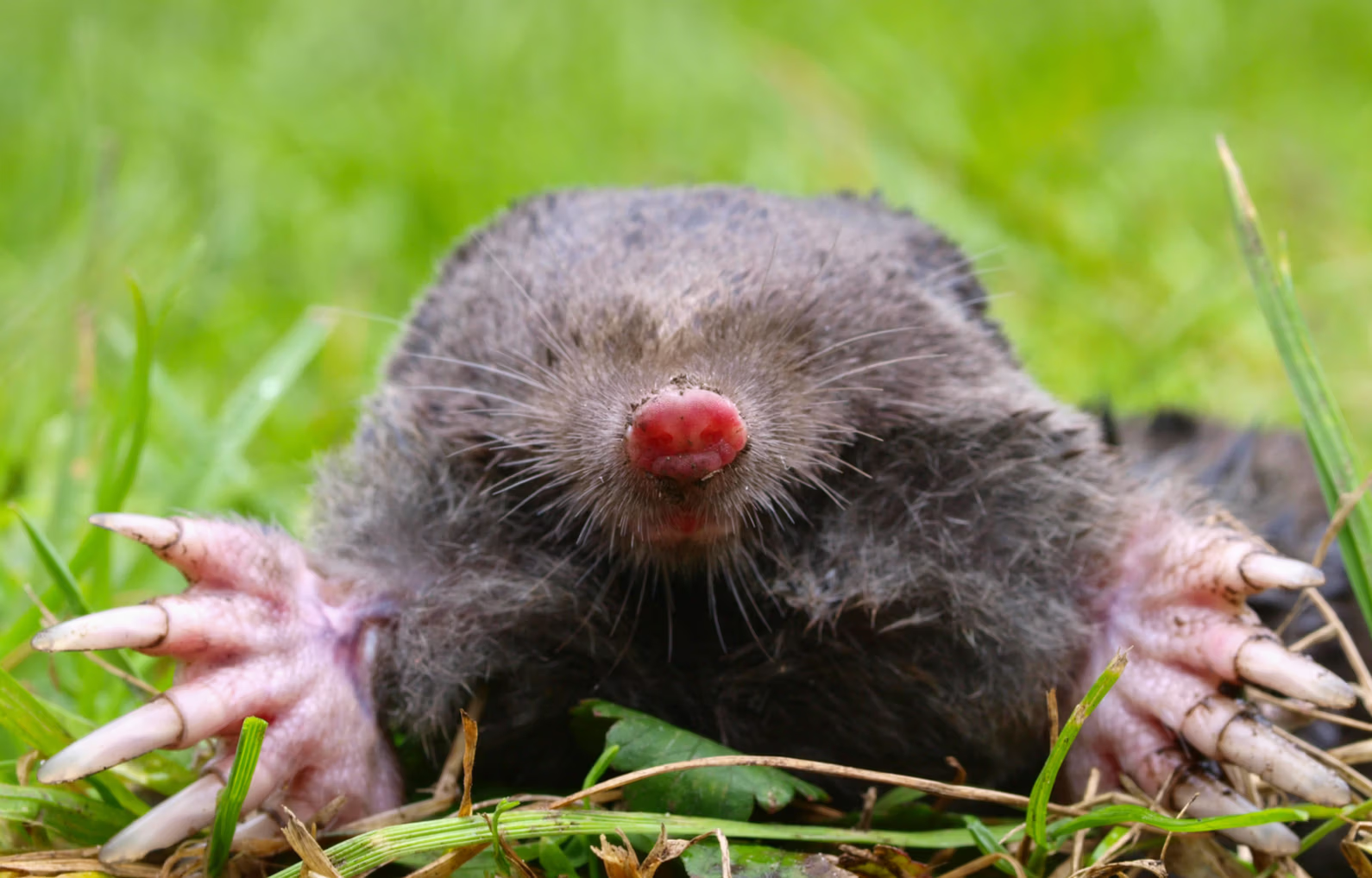
European moles have black velvety fur, large spade-like front paws with large claws for digging, a pink snout and tiny eyes.
A common misconception people have about moles is that they are completely blind! Whilst not true, they do have poor eyesight. Their tiny eyes are hidden by fur and are adapted for detecting light and dark.
Moles love earthworms, they make up the majority of their diet. Interestingly, they sometimes collect earthworms alive in special chambers. The worms are paralysed by a toxic bite to the head. Moles do this to keep their food fresh for later. As they have such a high metabolism and require so much food, they can store hundreds to thousands of worms at once… think of it as a mole pantry!
European Mole Threats
Humans: Moles are threatened by human persecution. They can be trapped or killed as they are considered ‘pests’ by many. However, moles can help to aerate and loosen soil, promoting plant growth.
Predators: Birds of prey, herons, foxes, egrets stoats, cats and dogs.
How You Can Help
There are a number of ways you can help european moles if you are lucky enough to see them:
- Embrace them: people see moles as pests as they change their lawns. However, moles don’t only aerate soil to aid plant growth, they also eat invertebrates that damage plants. Think of them as your personal gardeners!
- Don’t destroy molehills: instead, you can use the upturned soil for potting plants!
Frequently Asked Questions
There is an injured animal in my garden, but it runs off when I approach it
Unfortunately, most wild animals will try to avoid capture no matter the injury it may be suffering with. The best way to help is to try and identify the injury; are they holding or dragging a leg? Can you see any obvious swelling or open wounds to any of the legs or body? If there are open wounds do they look deep, inflamed or infected?
Mobile animals are incredibly difficult to catch.
I think I've found an orphaned animal
If the animal doesn’t appear to be injured, is routinely calling and warm to the touch, monitor the animal for a short while from a distance, the parent may have dropped the animal whilst moving it, and may still be close by.
Due to the number of factors that need to be considered when finding an animal, the best port of call is to give us a call so we can triage the situation appropriately. Our emergency helpline is 01372 360404.
There is an animal entangled in wire, what should I do?
Do not attempt to free the animal yourself. Also, do not go too close to the animal, as it can cause it to become very stressed and possibly do itself more damage. Please, call us and we will send a rescuer.
I have found a dead animal by the roadside, what should I do?
Please, contact your local council, who will advise you on how to dispose of it; some councils may come and collect. Otherwise, you can put it into an overgrown area, and let nature take its course, which is the best option.
If the animal is a badger and found during the period January – April, please, check to see if there are teats, to see if it is a female, and to see if there are any signs that she may have young – heavy, drooping nipples or milk escaping (lactating). If you see any of these signs, there may well be young, nearby. Please, contact the Wildlife Aid Foundation, your local wildlife centre or your local badger group. In Surrey, this will be the West/East Surrey Badger Group, who will go out to search for signs of a sett and listen out for the call of young.