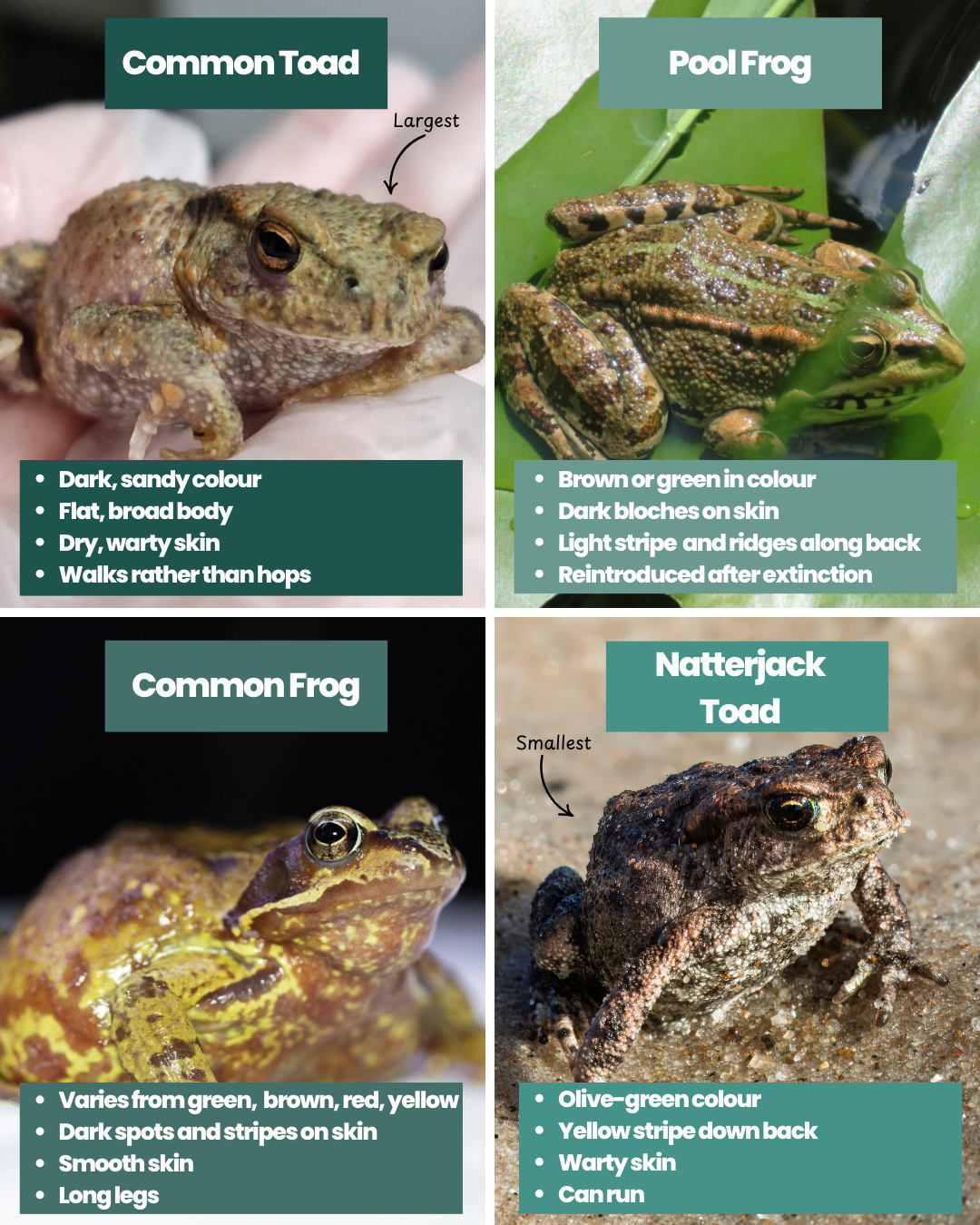
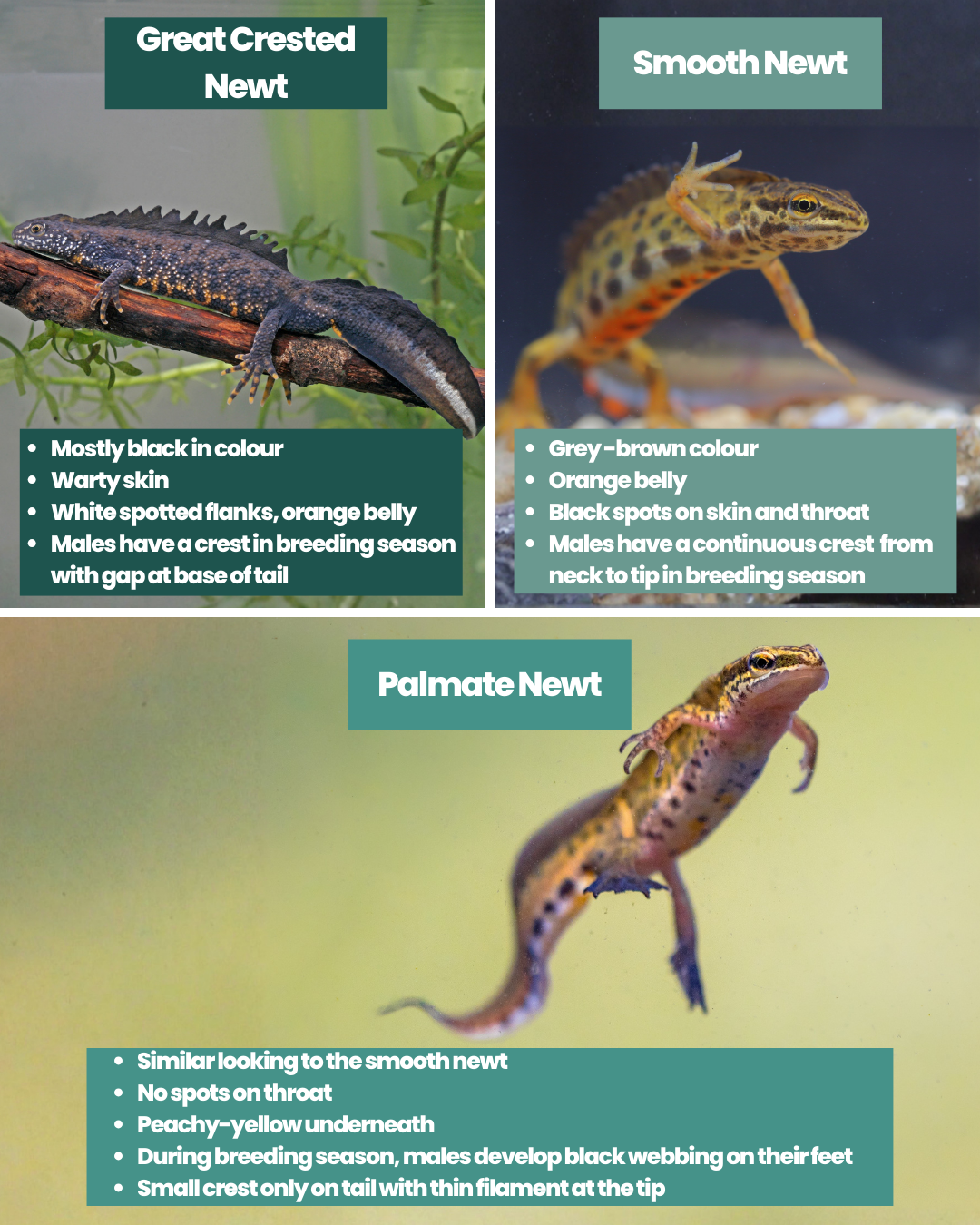
British Wildlife ID Charts
Want to find out more about British wildlife?
Not sure what you’ve spotted in your garden, on a walk, or out at dusk? You’re not alone. Many of Britain’s wild animals can look surprisingly similar at first glance – especially when seen briefly or in low light.
Our wildlife identification charts are here to help. Designed to be simple, visual, and easy to use, they allow you to compare key features and narrow down what you’ve seen, step by step. Whether you’re trying to identify a bat in flight, a mammal passing through your garden, or another species you’ve encountered, these charts will guide you through the process.
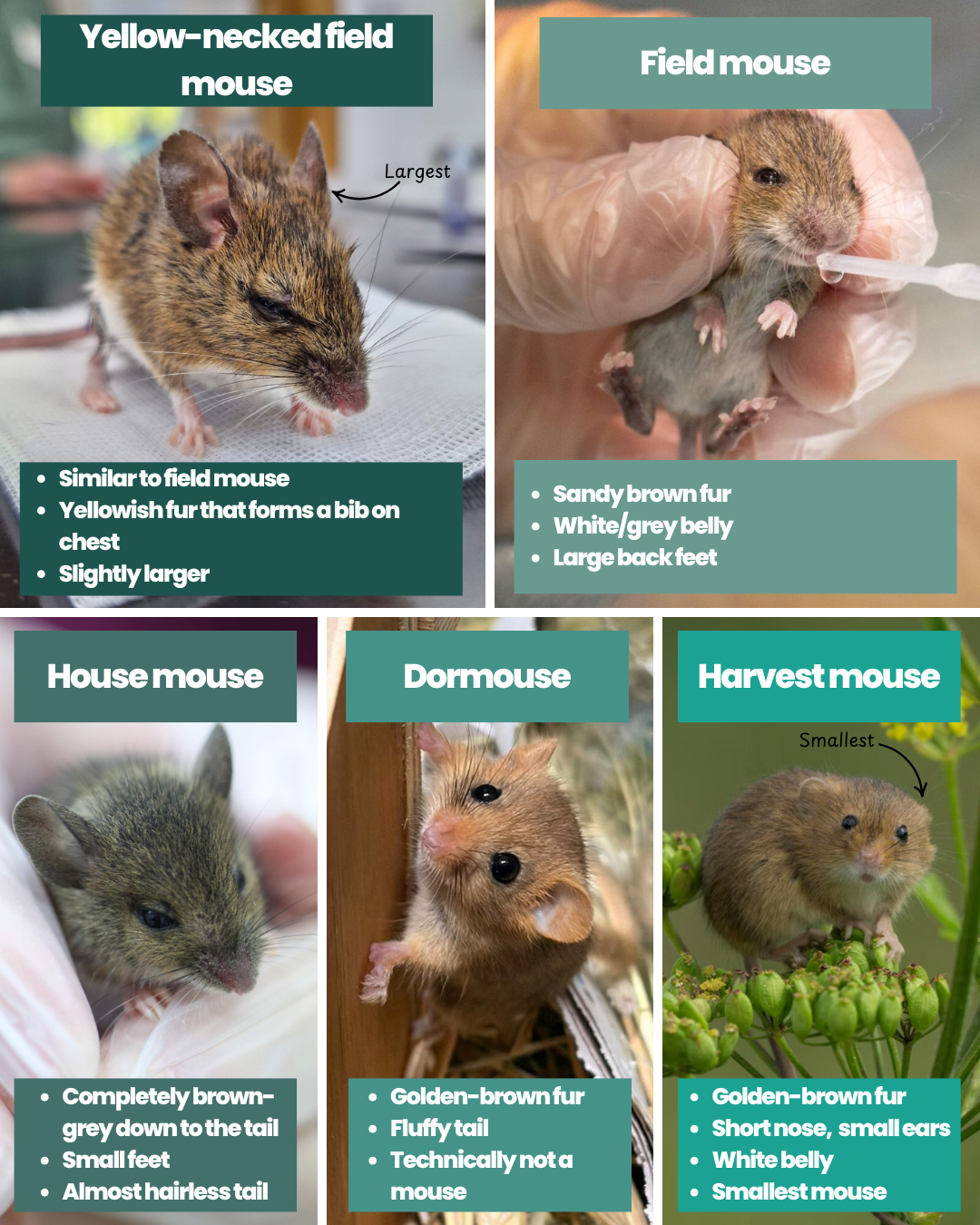
Mouse ID Chart
Next time you’re looking at a small furry friend, use our ID chart to work out who you’re looking at. From the largest, the yellow-necked mouse, down to the UK’s smallest, the harvest mouse.
Did you know?
The hazel dormouse is not actually a mouse. It belongs to the Gliridae family, unlike true mice, which are members of the Muridae family! It’s actually more closely related to squirrels and beavers than true mice!
Corvid ID Chart
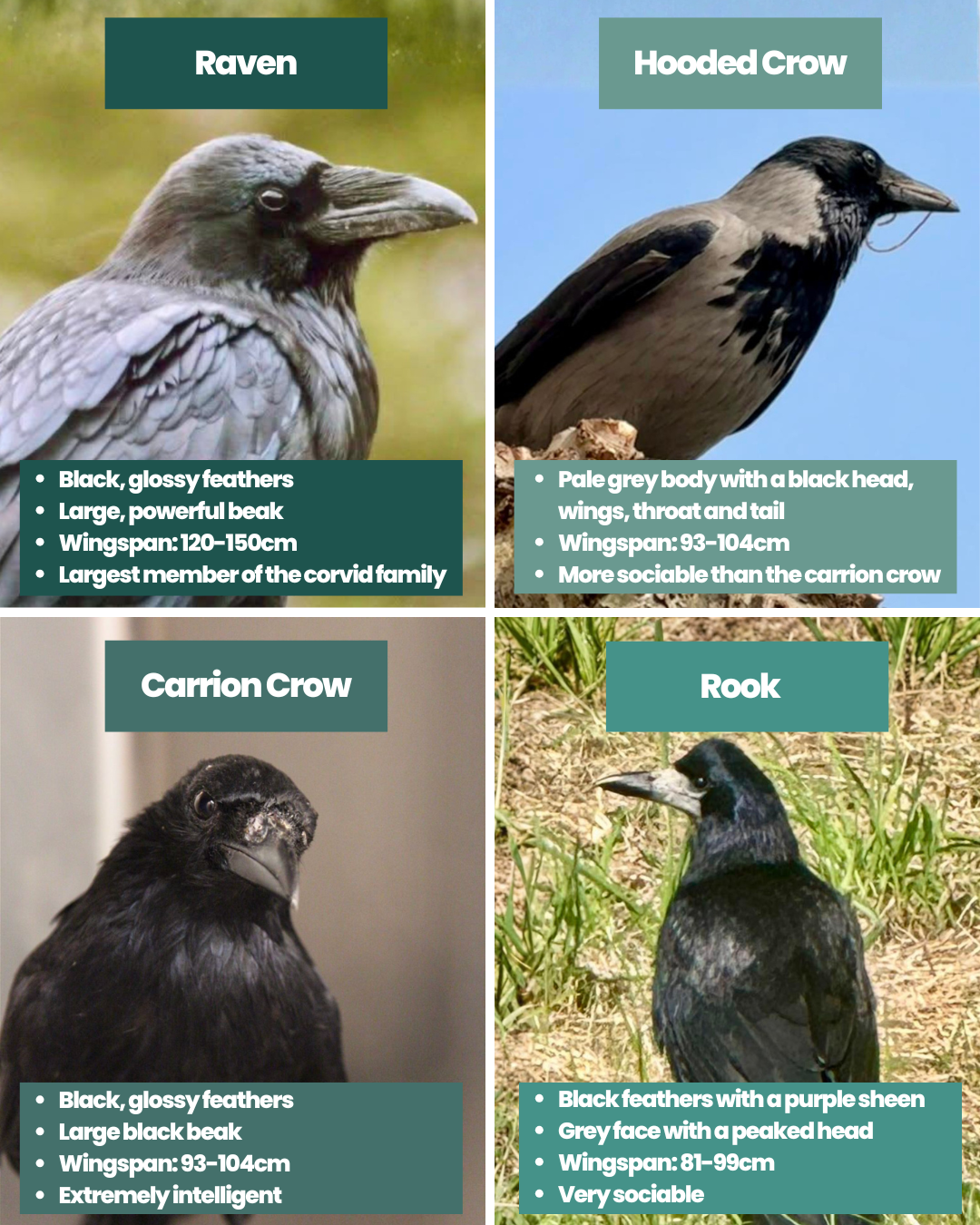
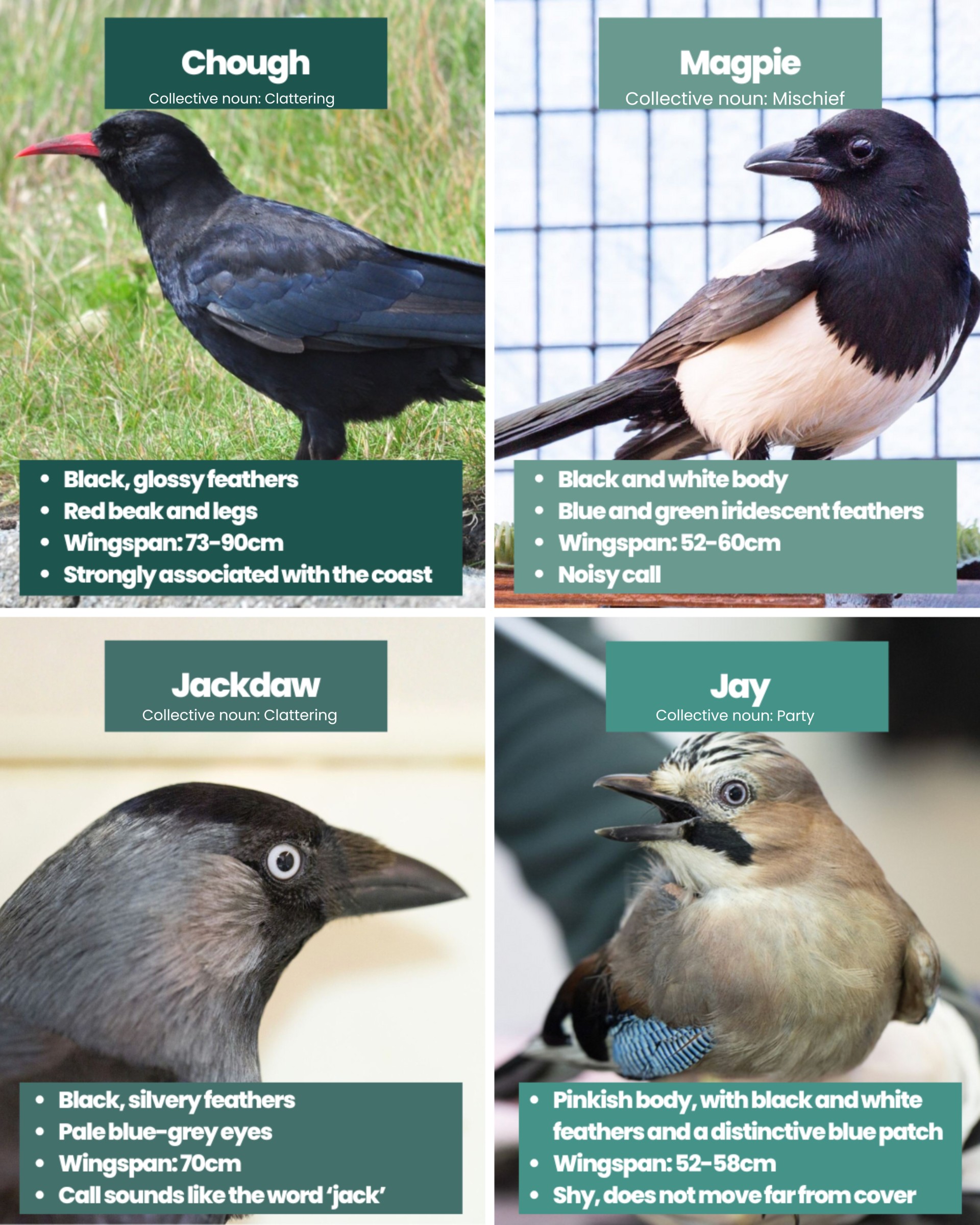
Say hello to the 8 species of corvid native to the UK on our WAF Corvid ID charts.
Did you know?
These 8 species are actually split between 4 different genera! The Carrion Crow, Hooded Crow, Rook, Jackdaw, and Raven all belong to the genus Corvus. Whereas the Jay (Garrulus), Magpie (Pica), and Chough (Pyrrhocorax) all belong to their own separate genus.
Adopt UK Wildlife
Adopt a
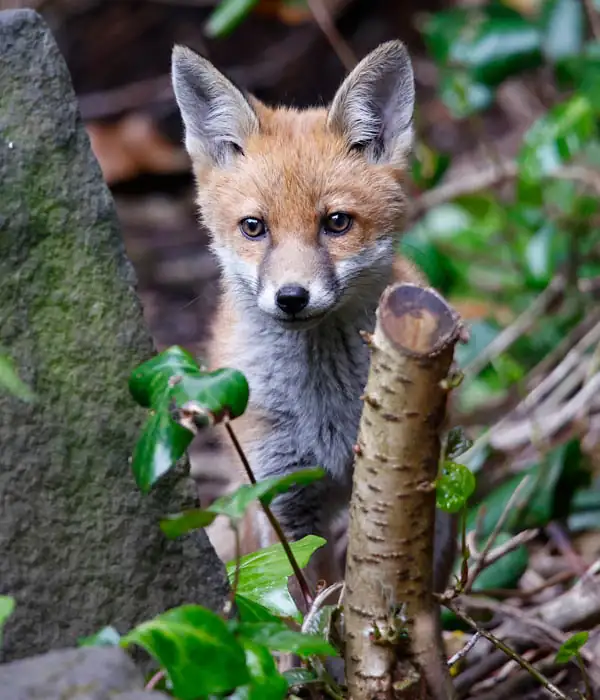
fox
The red fox is one of the UK’s most iconic species. Sadly, 70% of wild foxes do not make their first birthday, and an estimated 100,000 foxes are killed on UK roads, every year.
Many other foxes fall victim to litter and netting, in which they get entangled.
WAF rescues hundreds of foxes, every year. Some are able to be released immediately, where they have been found, and others will remain in our care until they make a full recovery.
Adopt a
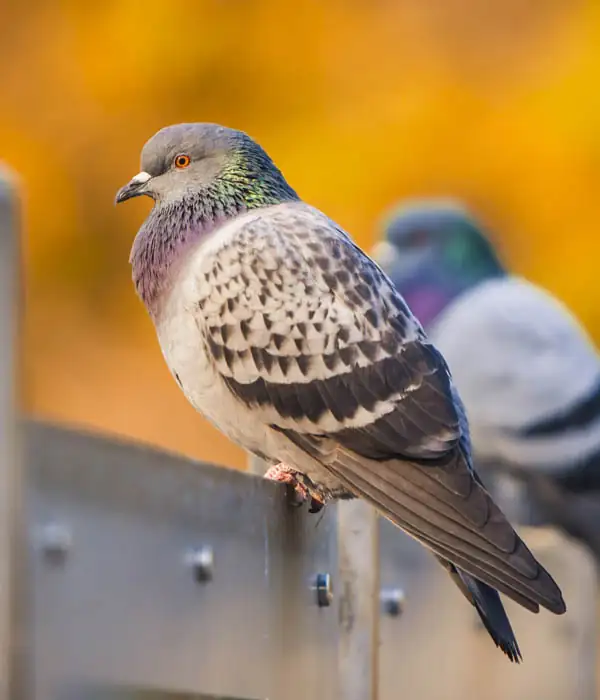
PIGEON
There is an estimated 18 million pigeons in the UK. Pigeons are highly sociable animals and actually mate for life. Sadly, an estimated 3 million are killed, each year.
Throughout the world, people live side-by-side with pigeons, sharing the countryside, gardens, parks, sidewalks, and other outhouses and lofts that pigeons have occupied.
In our towns and cities, pigeons can often be the only contact with nature that a person may have, and these interactions play an important role in developing empathy and understanding of the natural world and, as such, are important in cultural services within societies.
Adopt a
HEDGEHOG
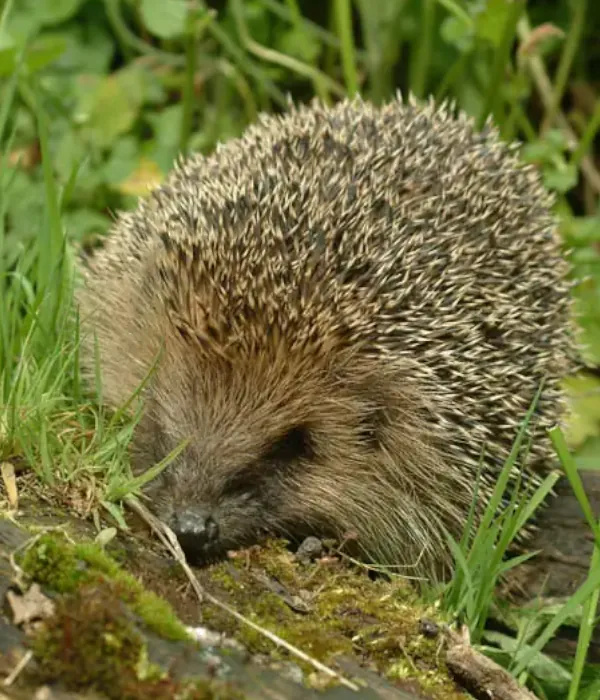
Shockingly, the UK hedgehog population has declined by 96% in the last 60 years, due to habitat loss. So, when we rescue an individual hedgehog, we are not just giving that individual a second chance, but we are also working to safeguard the species.
Every year, the Wildlife Aid Foundation rescues, cares for, and releases hundreds of wild hedgehogs. These rescues are often orphaned hedgehogs, having lost their parents, or adult hedgehogs that have been brought to the centre, sick or injured.
Adopt a
BADGER
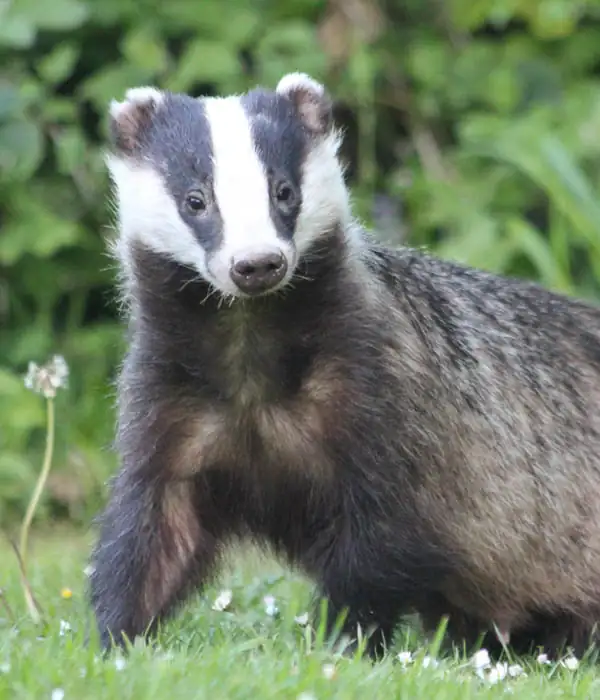
Badgers are the UK’s largest land predator and are one of the most well-known British species. Shockingly, in the UK, over 100,000 are killed by humans, each year. More than 40,000 die, every year, on our roads, many others get caught and trapped in man-made structures, whilst more than 140,000 have been culled.
It is predicted that 75% of the UK badger population will be lost by 2025.
We aim to do all we can to protect badgers. Every year, we have an increase in badger patients, predominantly orphaned badgers that just wouldn’t survive, on their own, in the wild. These little cubs typically remain in our care for 5 months, before being returned to the wild.
Adopt an
owl
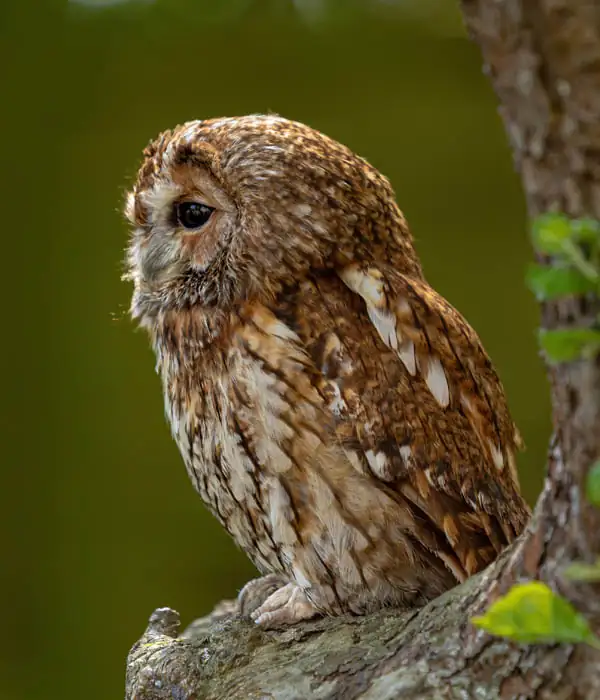
There are 5 species of owl in the UK, including the Barn owl, Little owl, Tawny owl, Long-eared owl and Short-eared owl.
Habitat destructions, road traffic accidents (RTAs), and the use of pesticides (the owl’s prey consumes vegetation with the pesticide on it and the owl digests the prey), are all threats to wild owl populations.
Since WAF was formed, we have continued to take in orphaned owl chicks and provide them around the clock care to help build their strength for a life in the wild.
Adopt a
deer
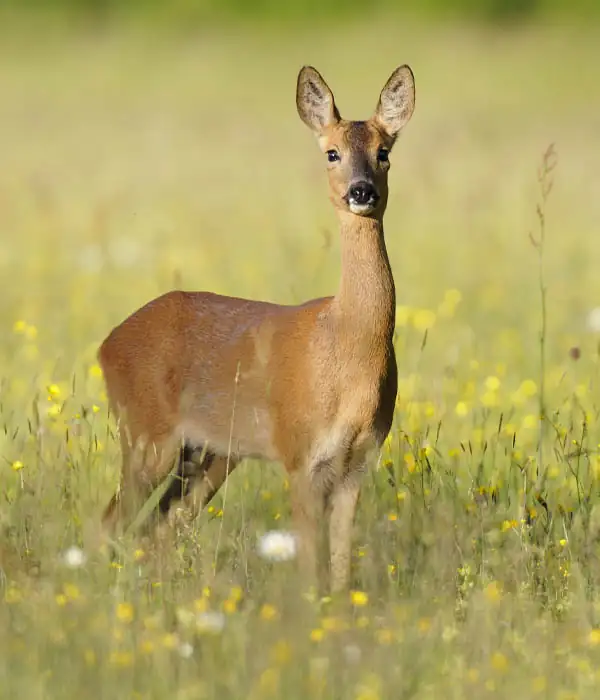
There are 6 species of deer in the UK. This shy and graceful animal is an important species that contributes positively to our biodiversity.
Sadly, more than 200 are hit by cars in the UK, every day. Many others are injured or caught in man-made objects, such as fencing and netting.
The need for 99% of the Wildlife Aid Foundation’s deer rescues are due to humans. We do all we can to ensure that these beautiful animals can be successfully released back to the wild.
Adopt a
Bat
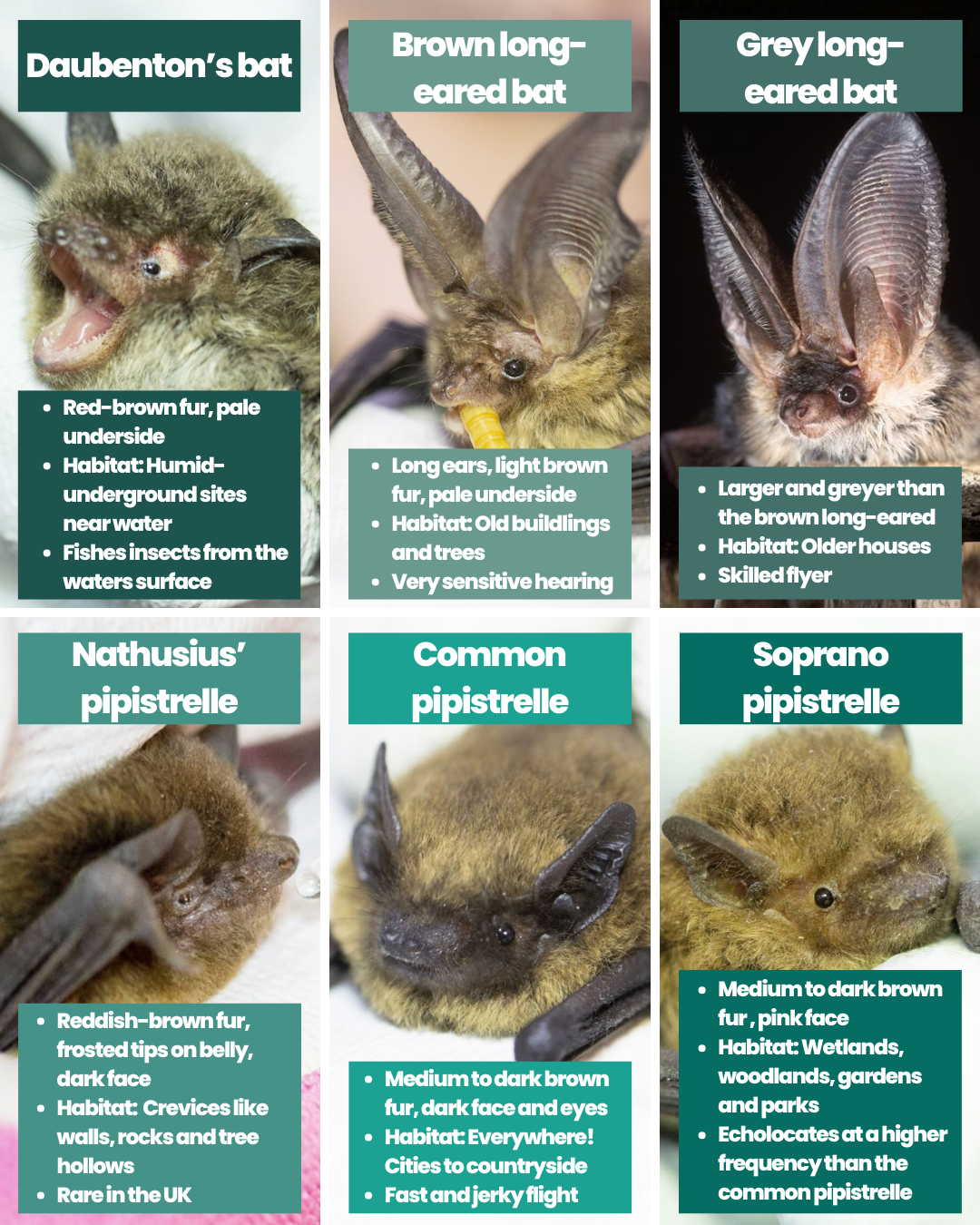
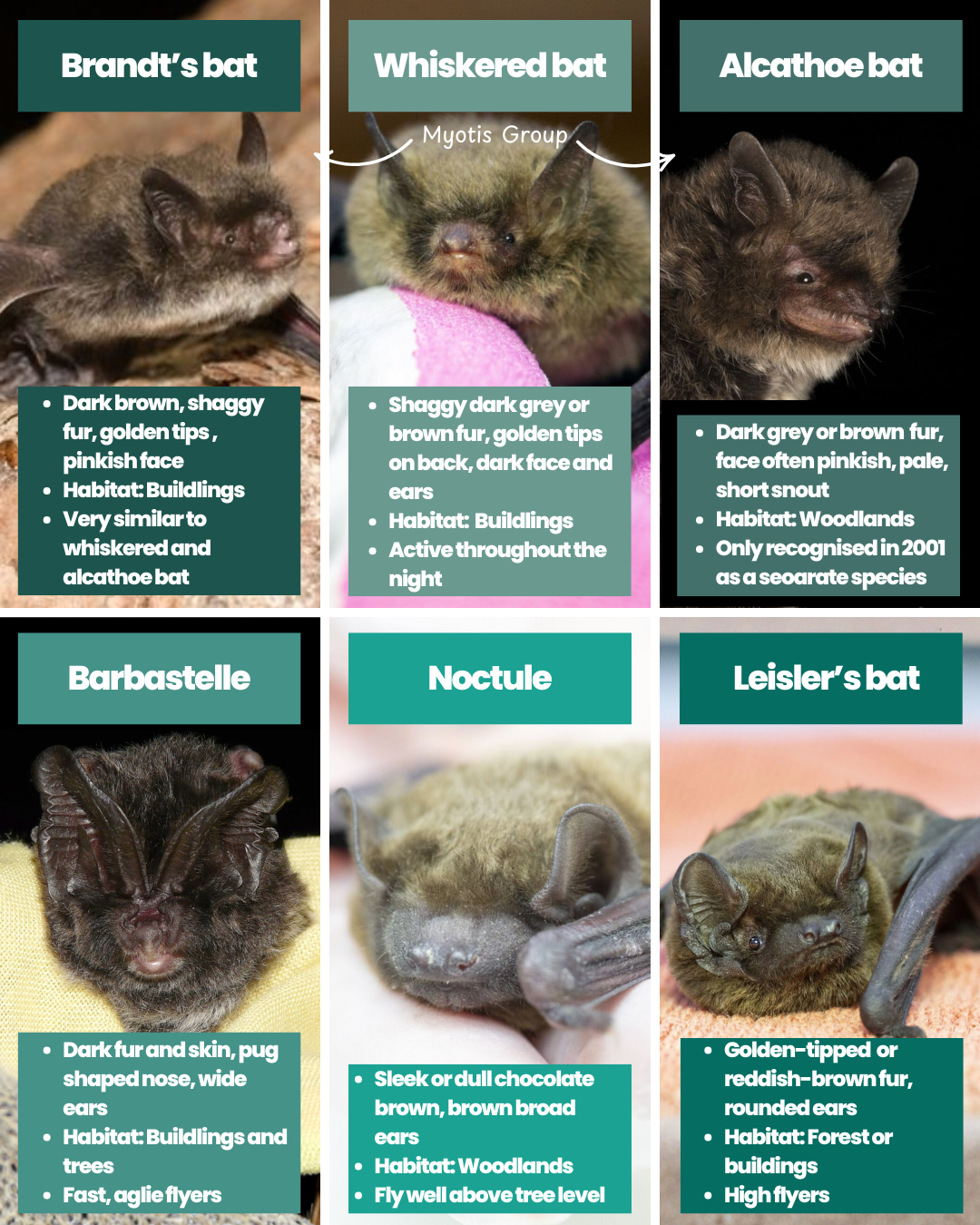
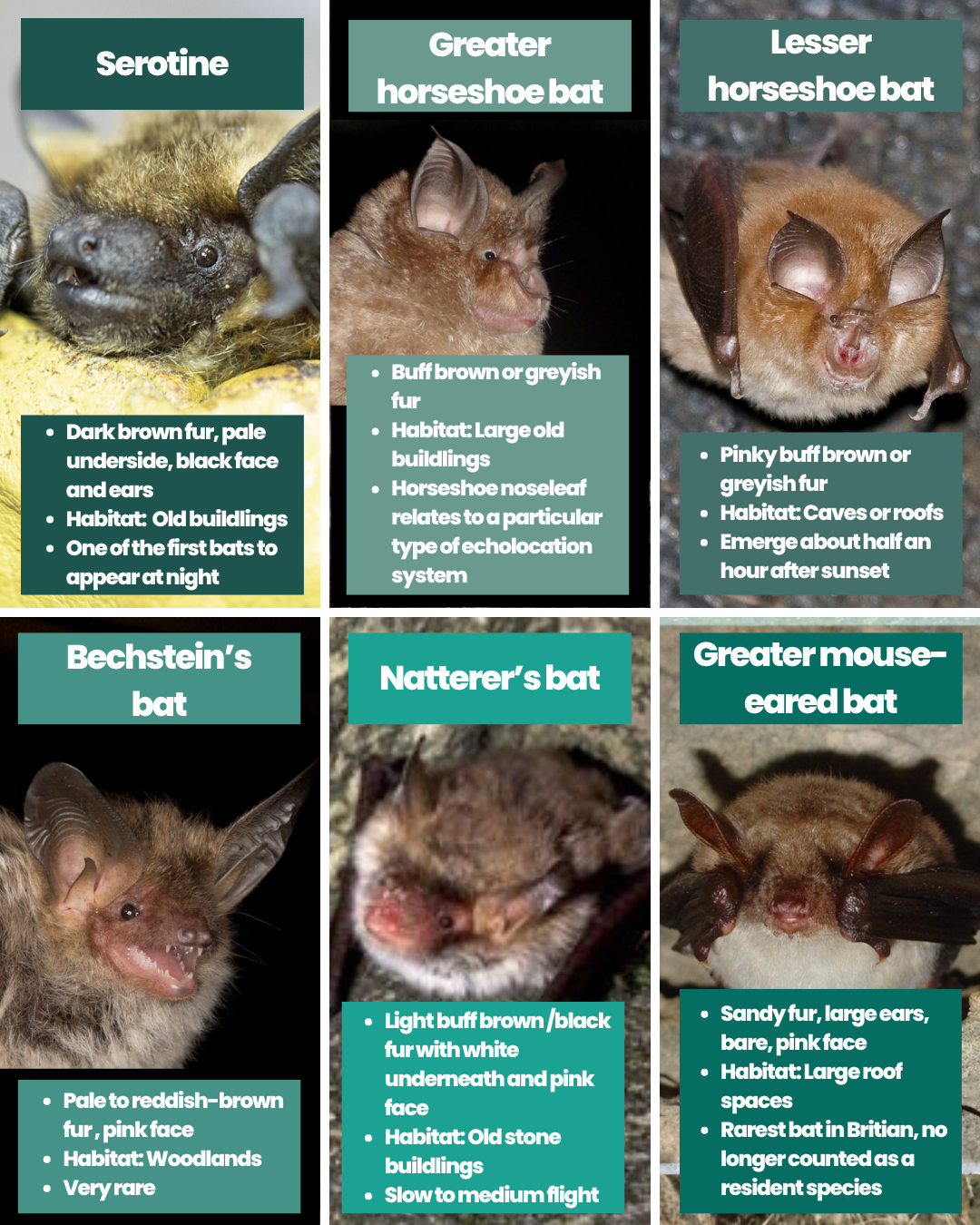
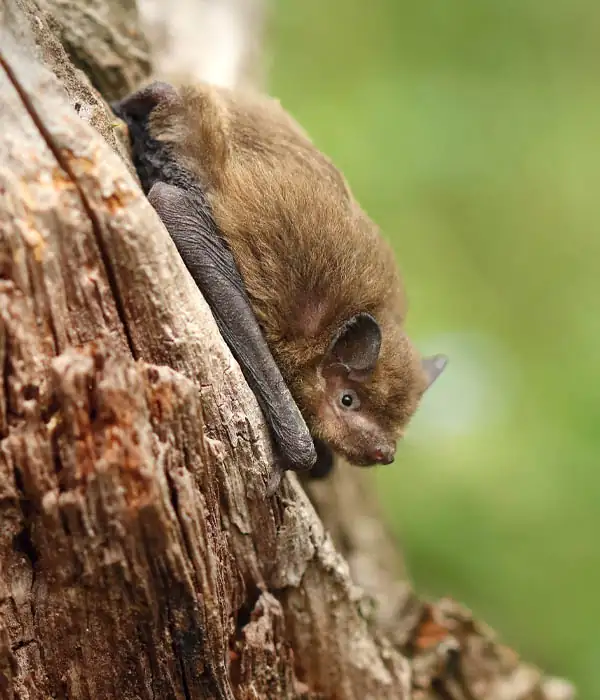
There are 18 species of bat in the UK, 17 of which are known to be breeding on our shores. All 18 species of bat are protected under the Wildlife and Countryside Act.
A reduction in food source is a major threat to bats. The use of pesticides, intense farming, and habitat loss, have all reduced the number of insects on which bats rely as their food source.
Adopt a
rabbit
Rabbits are one of the world’s most recognised species and have been a constant fixture of our childhood stories. Famous characters, such as Bugs Bunny, Peter Rabbit, and Rabbit from Winnie the Pooh, have provided us great entertainment, over the years.
Although rabbits are not native to Britain, having originally been brought over by the Normans, 1000 years ago, for food and fur, today, there is an estimated 36 million rabbits residing in the British countryside. With their brownish fur, big hind legs, long ears and fluffy tail, it is a common sight for most people to spot these cute little animals out grazing on the long grass and vegetation.
Today, rabbits are a vital part of the UK ecosystem. But populations have fallen by 60% since 1995.