
Corvids
Corvid Facts
Corvids are part of the bird family Corvidae. They are extremely intelligent birds who have shown the ability to recognise faces, recognise themselves in mirrors and solve puzzles.
The exceptional intelligence of corvids is the result of densely packed neuronal clusters in their brains, which support advanced cognitive abilities.
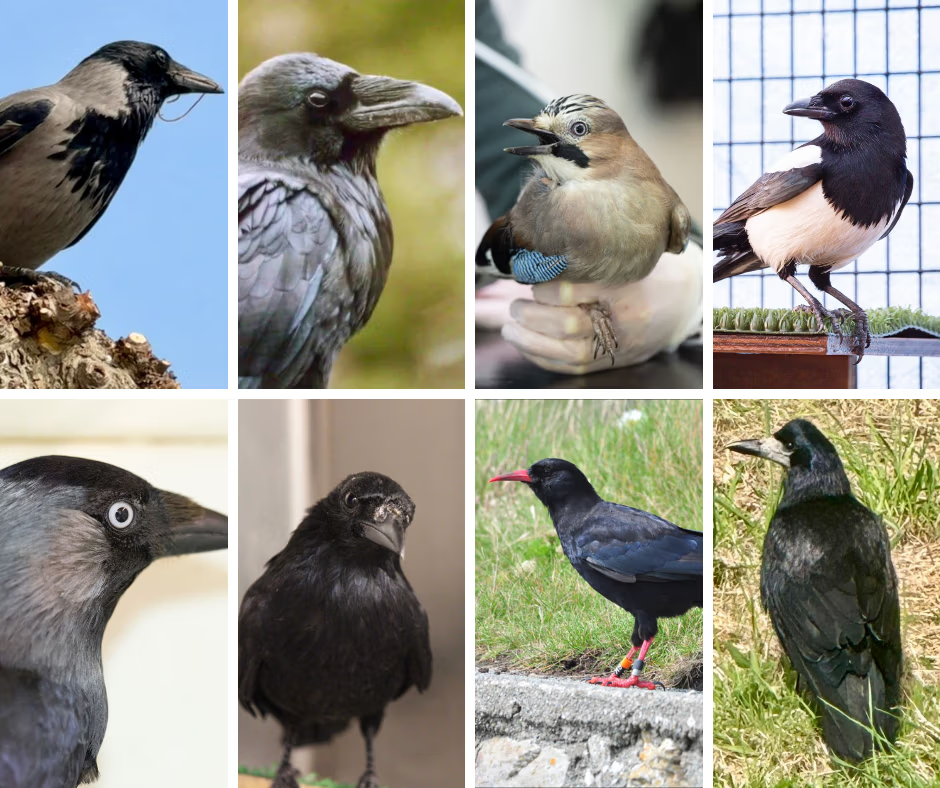
In the UK, we have eight species of corvid: carrion crow, jackdaw, rook, raven, jay, magpie, hooded crow and chough.
Scientific Names:
Carrion crow: Corvus corone
Jackdaw: Coloeus monedula
Rook: Corvus frugilegus
Raven: Corvus corax
Jay: Garrulus glandarius
Magpie: Pica pica
Hooded crow: Corvus cornix
Chough: Pyrrhocorax pyrrhocorax
Carrion Crow
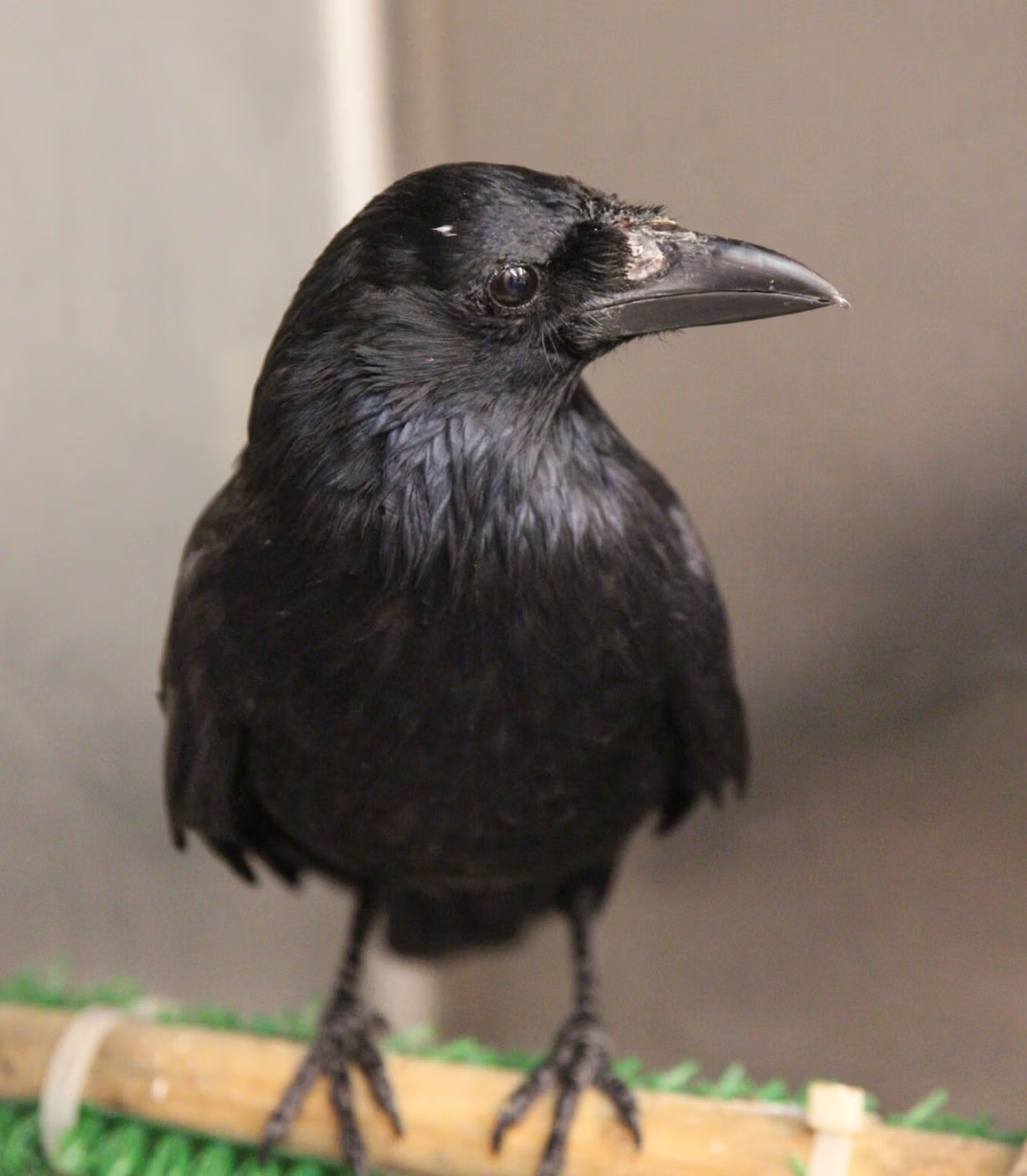
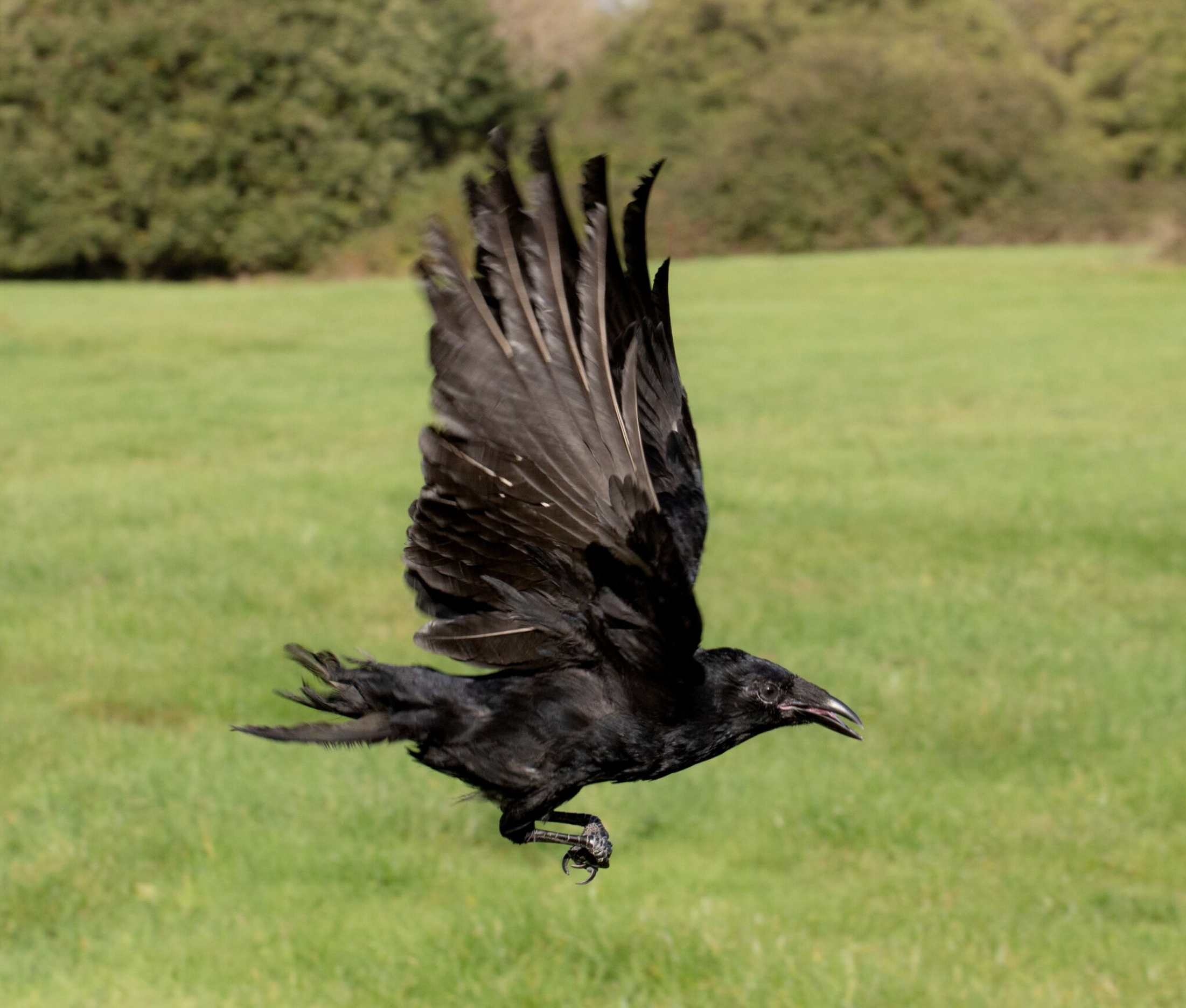
The carrion crow is an extremely clever bird. They are solitary; however, you may spot them in pairs or a flock occasionally. They are all black with glossy feathers and a large, black beak.
Due to their adaptability, they can be spotted throughout the UK. They build nests in a variety of locations such as trees, buildings and cliffs.
Length: 45-47cm
Wingspan: 93-104cm
Weight: 370-650g
Diet: Carrion (dead animals), invertebrates (mealworms etc.), seeds, fruits, eggs, young birds, human scraps
Breeding season: Early spring to June
When to see them: All year round
Jackdaw
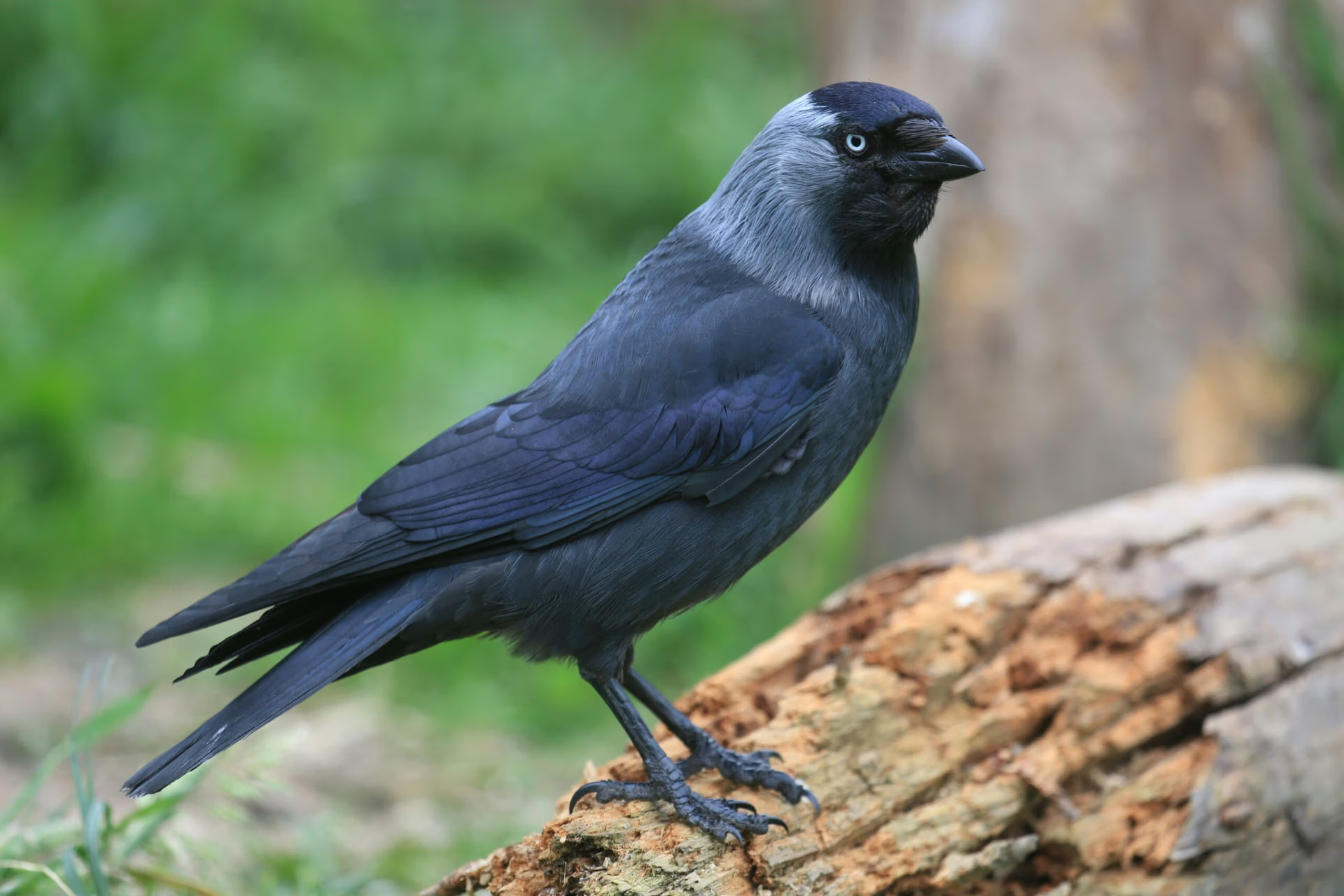
As highly sociable and intelligent birds, the Jackdaw appears as a smaller crow with a silvery sheen, pale blue-grey eyes and short beak. Jackdaws receive their name from their call which often sounds like the word ‘Jack’.
They can be spotted around the UK, often in smaller towns, woodlands, parks and farms.
Length: 34cm
Wingspan: 70cm
Weight: 220g
Diet: Insects, seeds, fruits, grains, carrion, human scraps, eggs, nestlings
Breeding season: Late spring to July
When to see them: All year round
Rook
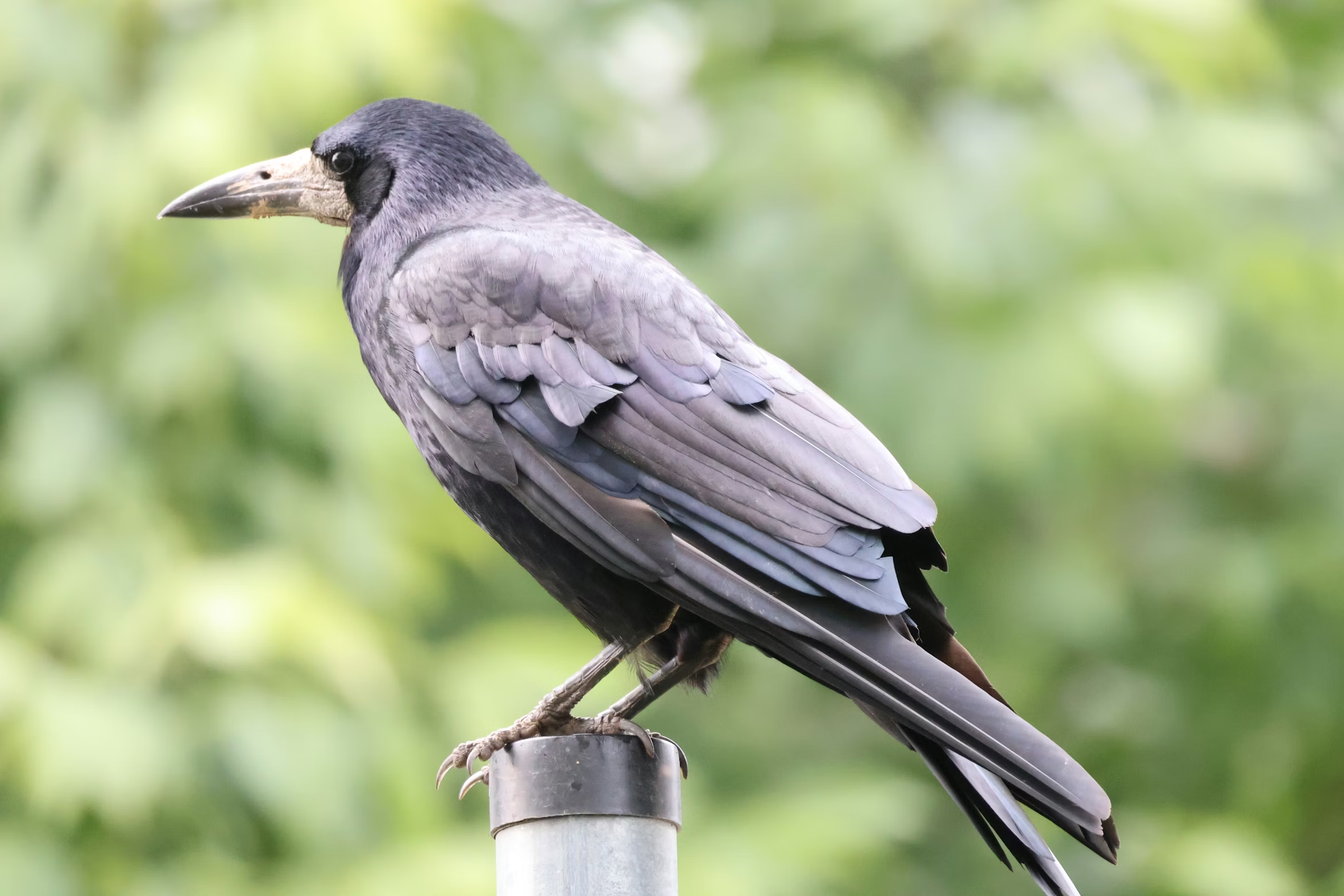
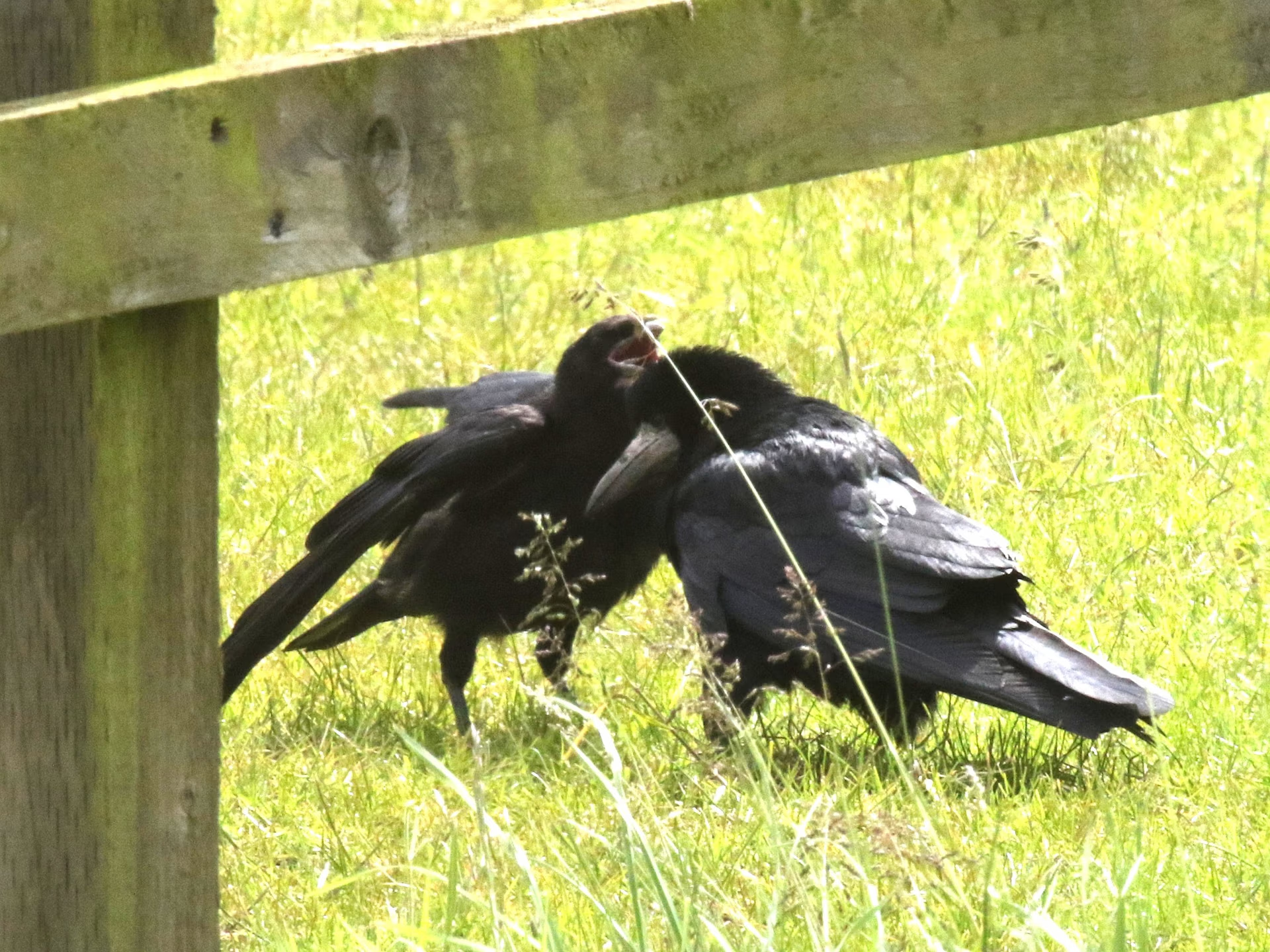
As very sociable birds, you will be unlikely to spot a singular rook. With a bare, greyish face, thin, long beak, black feathers with a purple sheen and peaked head they look slightly different to other corvids.
They can be spotted in most of the UK, staying mainly in the countryside.
Length: 44-46cm
Wingspan: 81-99cm
Weight: 280-340g
Diet: Invertebrates, seeds, grains, roots, fruit, acorns, carrion, small mammals, eggs, nestlings, human scraps
Breeding season: Late winter to early spring
When to see them: All year round however, they are most present in spring
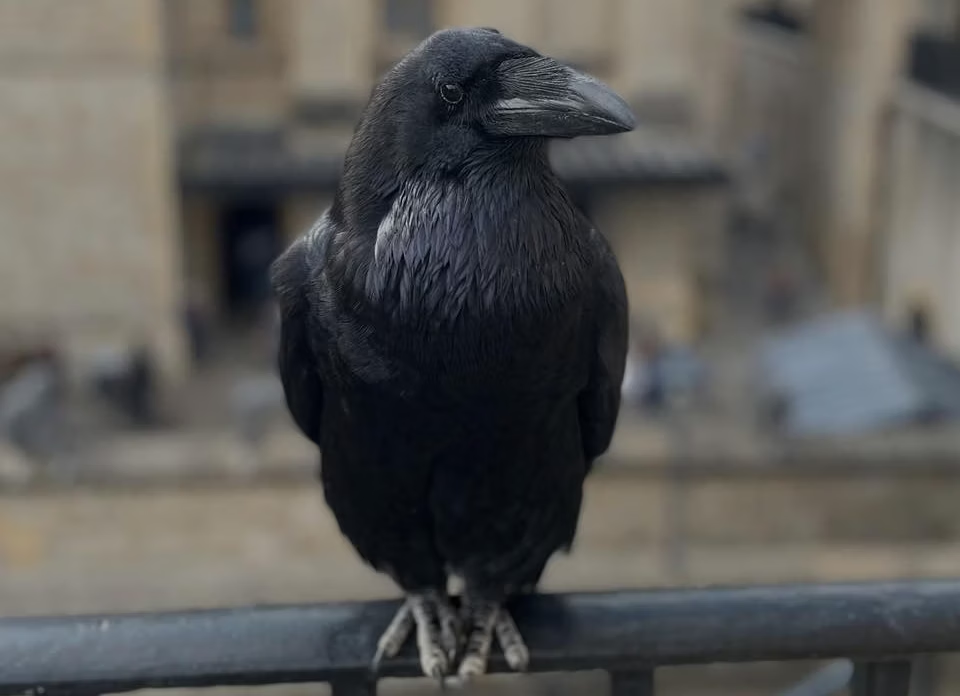
Raven
They can be spotted in most of the west of the UK, mainly in cities, farmland, seaside cliffs and mountainous areas.
Length: 60-68cm
Wingspan: 120-150cm
Weight: 800-1500g
Diet: Carrion, insects, grains, fruits, nuts, human scraps, eggs
Breeding season: Late February to April
When to see them: All year round, but they are particularly present from February to June
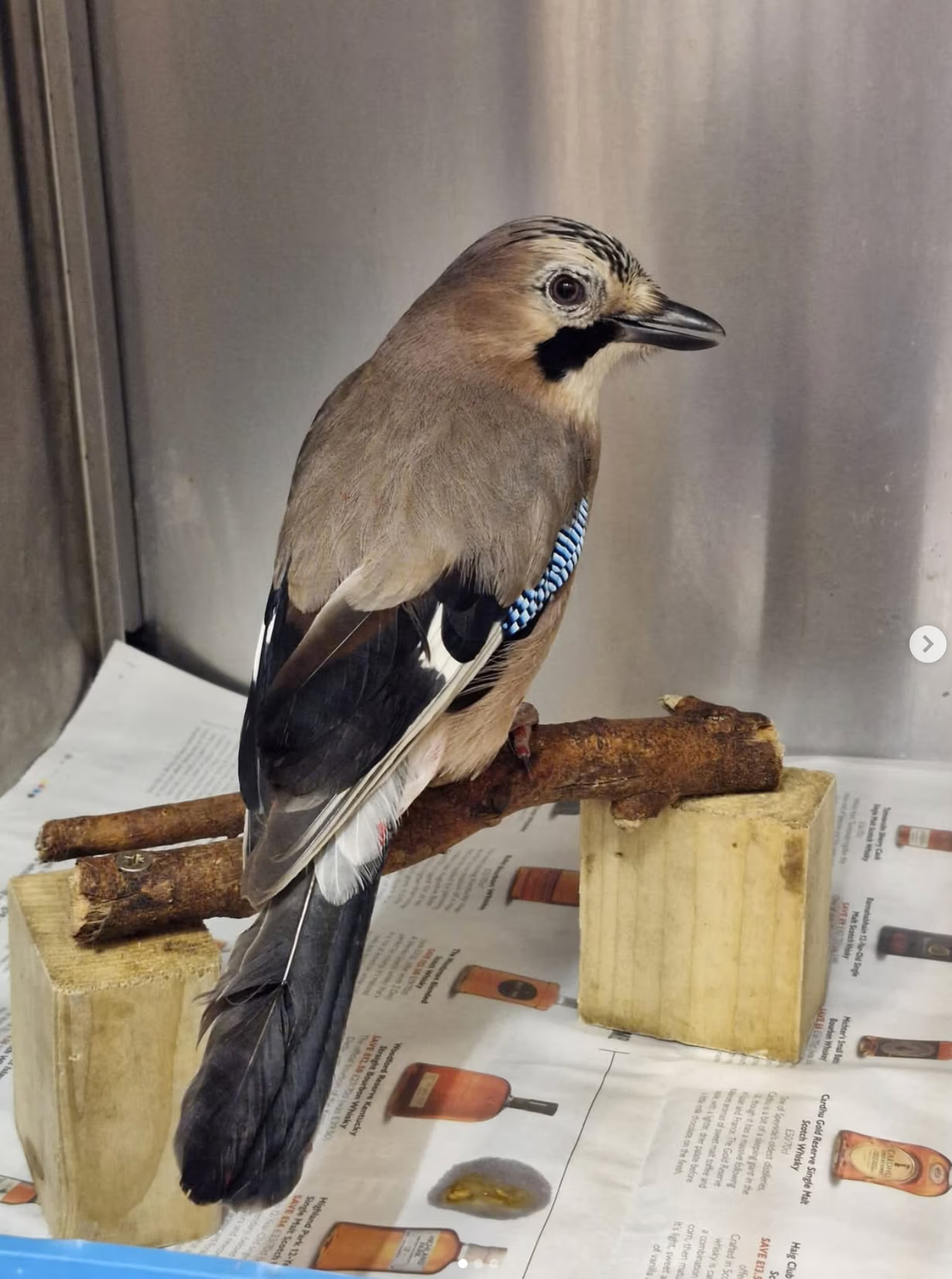
Jay
As the most colourful member of the corvid family, jays do not look like other corvids at all. With their pinkish bodies, black and white wings and distinctive blue patch they appear very different. They are, however, just as intelligent as other corvids.
Jays can be found across most of the UK, they live in woodlands, parks and mature gardens. They are, however, very difficult to spot as they are known as shy birds who do not move far from cover.
Length: 34-35cm
Wingspan: 52-58cm
Weight: 140-190g
Diet: Acorns, nuts, seeds, insects, small mammals, nestlings, eggs
Breeding season: Late April
When to see them: All year however, they are most noticeable in autumn
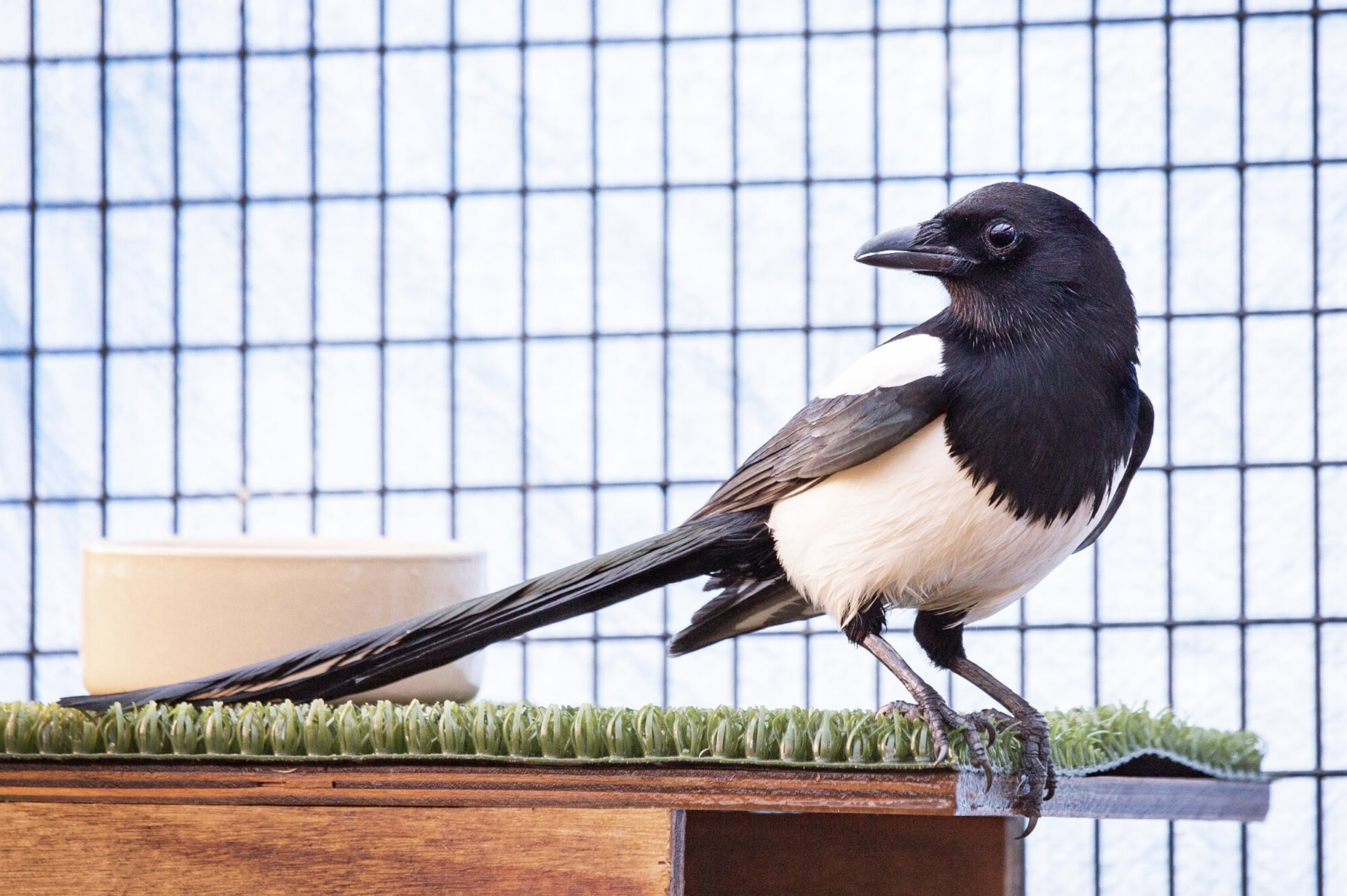
Magpie
Magpies can be found across most of the UK in all types of habitats.
Length: 44-46cm
Wingspan: 52-60cm
Weight: 200-250g
Diet: Insects, worms, seeds, grains, fruits, berries, small mammals, eggs, nestlings, carrion, human scraps
Breeding season: March to June
When to see them: All year round
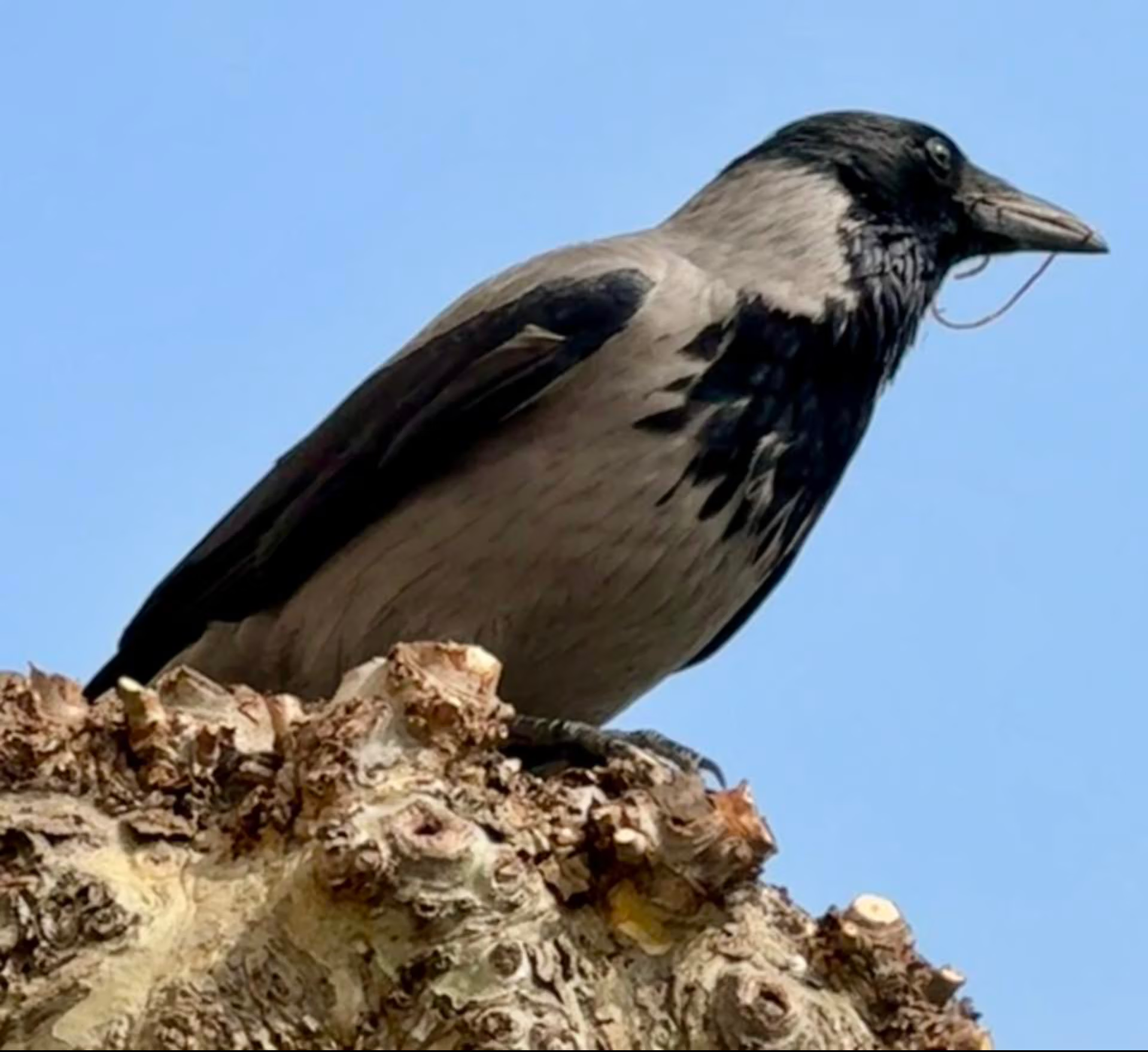
Hooded Crow
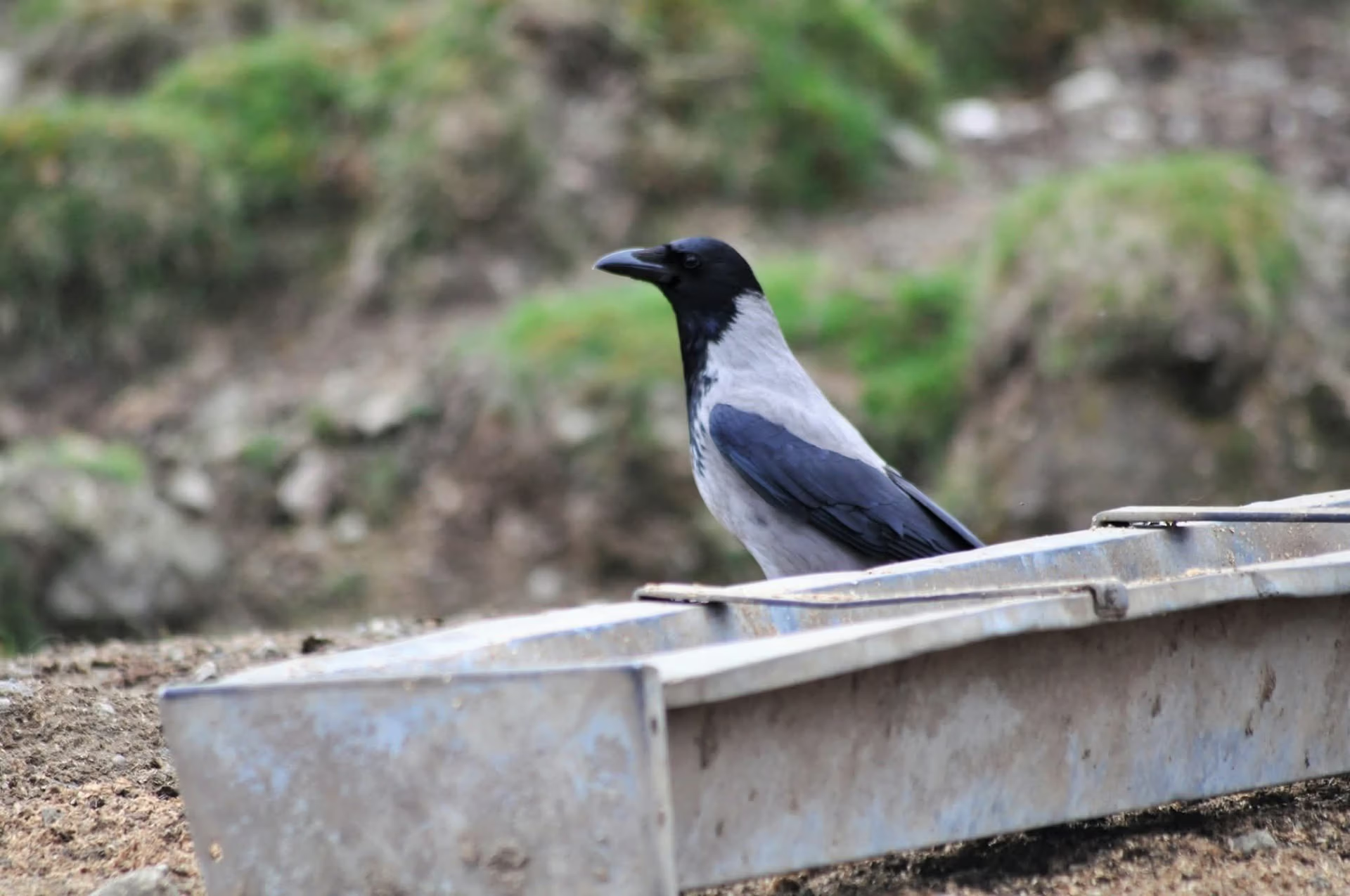
The hooded crow is very closely related to the carrion crow. Only recently was it recognised as a separate species! Hooded crows, however, are more sociable and can be spotted feeding together.
Hooded crows can be found in northern Scotland, Northern Ireland and the Isle of Man.
Length: 45-47cm
Wingspan: 93-104cm
Weight: 370-650g
Diet: Insects, grain, seeds, carrion, eggs, nestlings, human scraps, nuts
Breeding season: March to May
When to see them: All year round
Chough
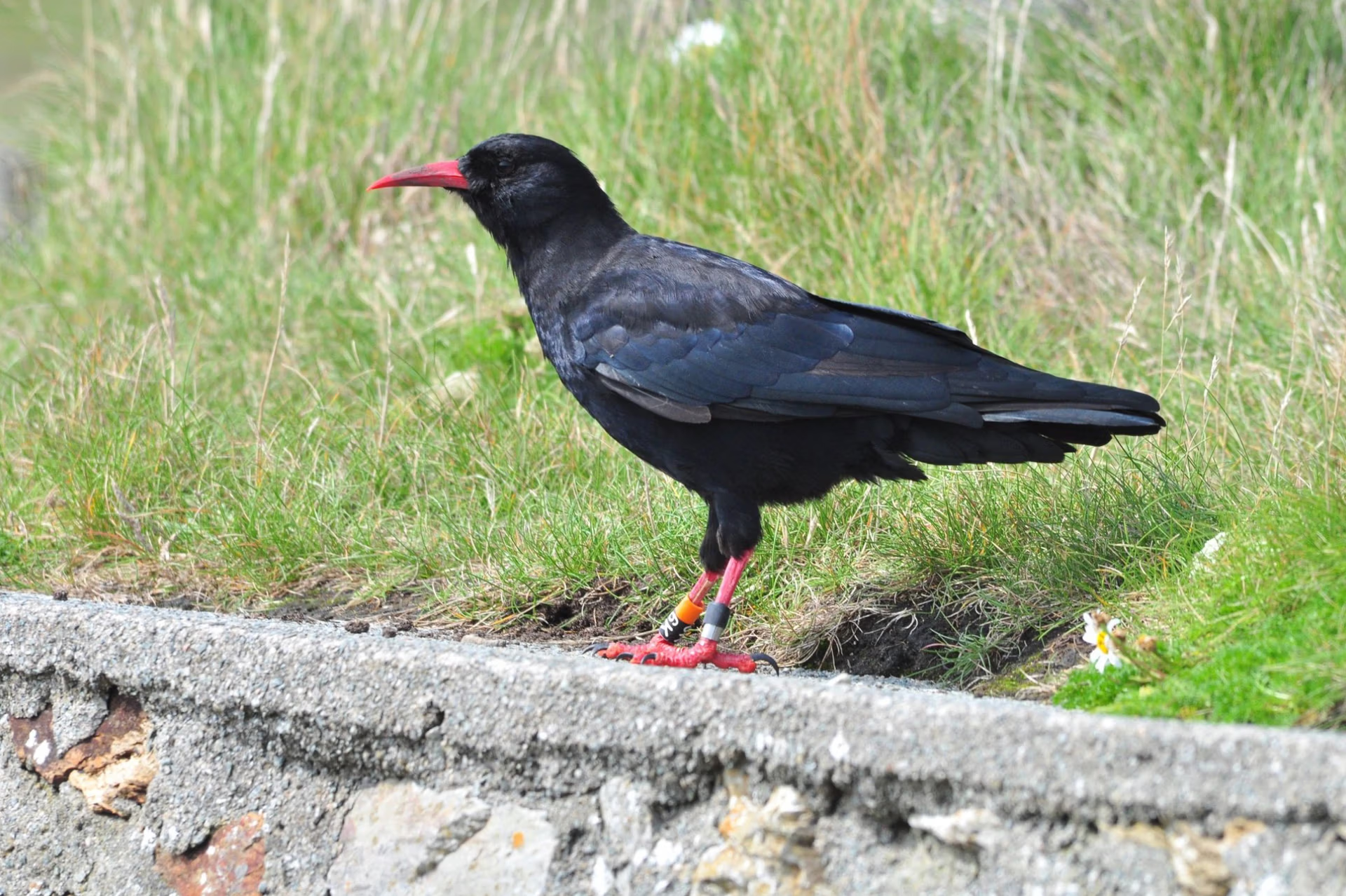
The chough is unlike other corvids as it has a red beak and legs though, otherwise it looks like a carrion crow.
Strongly associated with the coast, the chough (pronounced chuff) can be found only on the west of the British Isles.
Length: 39-40cm
Wingspan: 73-90cm
Weight: 260-350g
Diet: Insects, larvae
Breeding season: March to May
When to see them: All year round however, in Autumn and Winter, you may spot them in flocks
Behaviour
Threats
Corvids are not currently classified as vulnerable, a very encouraging sign. However, they still face threats such as habitat loss, pollution, shooting for sport, and attacks by domestic cats.
Many of these pressures can be reduced or avoided through greater awareness and more mindful behaviour.
How you can help
You can do the following to help UK corvids:
- Provide clean water
- Provide healthy food such as unsalted nuts, meat and eggs
- Please clean any water bowls and feeders frequently to avoid the spread of disease
- Create a safe habitat by planting native plants
Frequently Asked Questions
My cat has brought in a bird, what should I do?
Keep the bird quiet and dark and get it to your local rescue centre, as soon as possible; it will need antibiotics, as infection (from even the tiniest of scratches, barely visible to the human eye) is very quick to spread and will kill within hours, if left untreated.
A bird has flown into my window and seems stunned/there is an injured bird on the ground near a window. Should I just leave it?
The bird is probably concussed. Place it in a dark, ventilated box, and keep it quiet for no longer than 1 hour. Check on its progress and if it seems to be improved, try opening the box in the garden. If the bird is not quite ready to fly, take it to your local wildlife rescue.
I have found a nest of eggs when cutting back my tree
Please, try and put the nest back in a suitable tree, close to the original location, and observe for a couple of hours to see if the parents return. If they do not, sadly, we are not able to help, as it is illegal to take, possess or control any wild birds’ eggs, under the Wildlife and Countryside Act 1981 (as amended). Sadly, the eggs must, therefore, be left to go cold.