
Eurasian Otter
Lutra lutra
Life History
Length: 60-80cm
Tail: 32-56cm
Weight: 6-8kg
Diet: Fish, small mammals, birds, eggs, insects, crustaceans
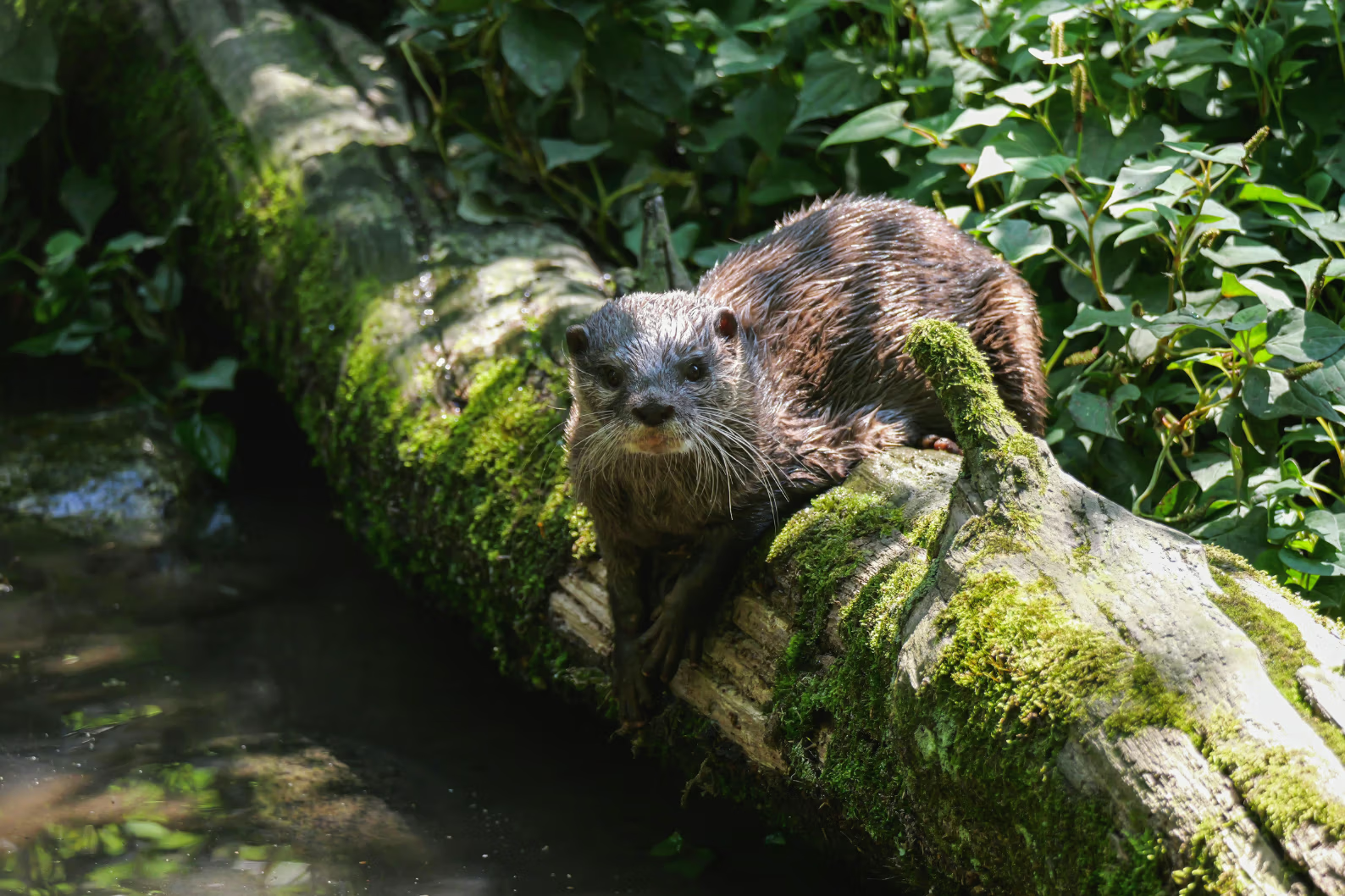
Habitat: Wetlands, lakes, rivers, coastlines, canals
Average Lifespan: 5-10 years
When to see them: All year round (look for them at dawn and dusk when they are most active)
UK population: Around 11,000
UK conservation status: Fully protected
About
The eurasian otter is a protected species in the UK due to their near extinction between 1950-1960. This was caused by pesticides that were affecting their breeding.
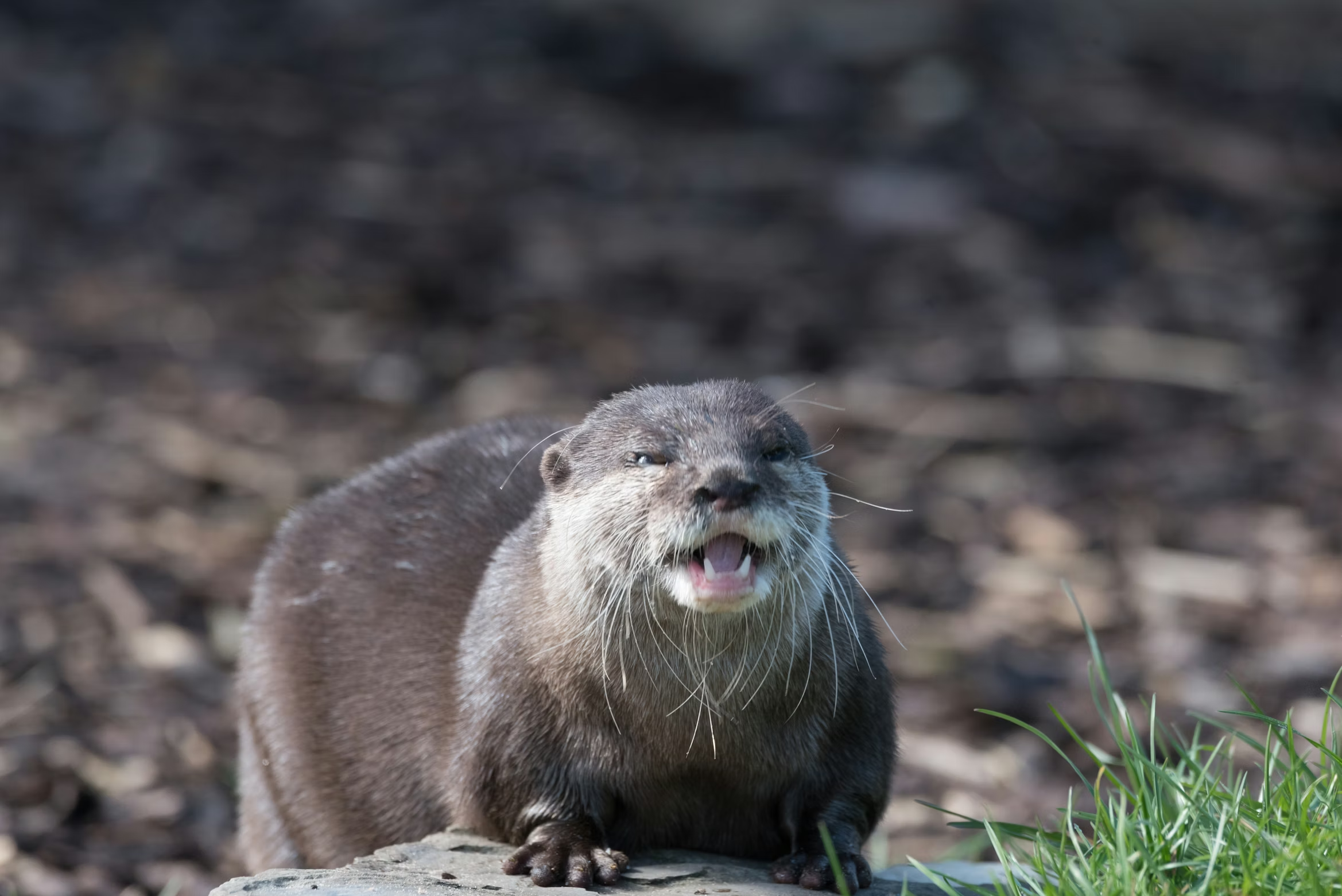
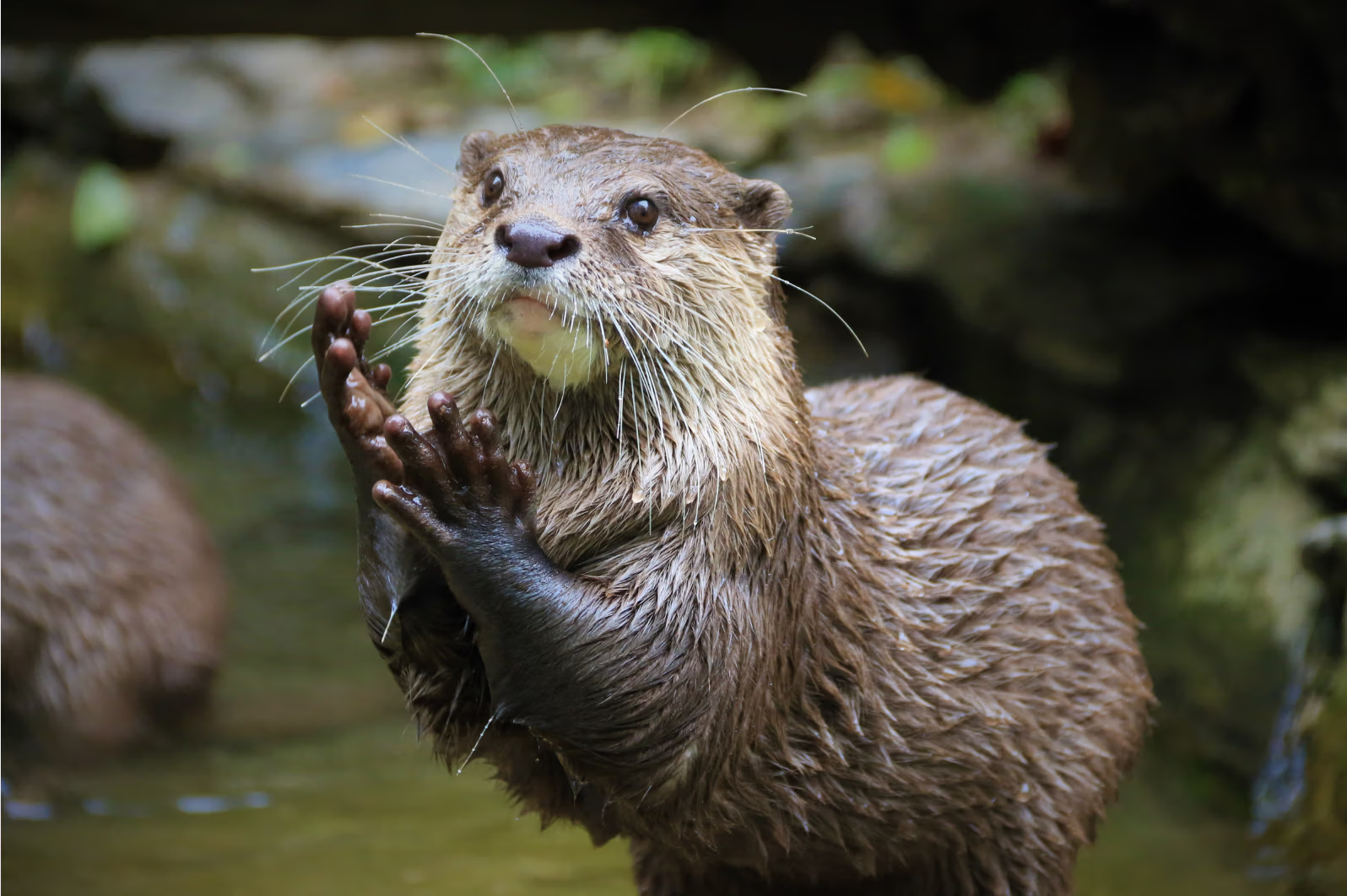
They have thick, grey-brown fur, a pale chest, belly and throat with a slender body, broad nose and small ears. Males are normally bigger than females.
Otters are fantastic swimmers! To aid their swimming, they have strong, muscular tails and webbed feet. They live mainly in solidarity, however, come together to mate.
Their Threats
Road Traffic Accidents: Eurasisan otters face significant threats from our roads.
Water Pollution: The chemical contamination of our waters from things such as TFA ‘forever chemical’, and plastics can have detrimental effects on our wildlife.
Habitat loss: Due to the drainage of wetlands and the degradation of river banks, otters face threats to their habitats.
How You Can Help
There are a number of ways you can help otters if you are lucky enough to see them:
- Reduce plastic waste, always recycle
- Support projects to clean up rivers and build dens ‘holts’
- Never try to catch or feed them, they are a protected species
- Contact your local wildlife rescue if you believe you see an injured otter
Frequently Asked Questions
There is an injured animal in my garden, but it runs off when I approach it
Unfortunately, most wild animals will try to avoid capture no matter the injury it may be suffering with. The best way to help is to try and identify the injury; are they holding or dragging a leg? Can you see any obvious swelling or open wounds to any of the legs or body? If there are open wounds do they look deep, inflamed or infected?
Mobile animals are incredibly difficult to catch.
I think I've found an orphaned animal
If the animal doesn’t appear to be injured, is routinely calling and warm to the touch, monitor the animal for a short while from a distance, the parent may have dropped the animal whilst moving it, and may still be close by.
Due to the number of factors that need to be considered when finding an animal, the best port of call is to give us a call so we can triage the situation appropriately. Our emergency helpline is 01372 360404.
There is an animal entangled in wire, what should I do?
Do not attempt to free the animal yourself. Also, do not go too close to the animal, as it can cause it to become very stressed and possibly do itself more damage. Please, call us and we will send a rescuer.
I have found a dead animal by the roadside, what should I do?
Please, contact your local council, who will advise you on how to dispose of it; some councils may come and collect. Otherwise, you can put it into an overgrown area, and let nature take its course, which is the best option.
If the animal is a badger and found during the period January – April, please, check to see if there are teats, to see if it is a female, and to see if there are any signs that she may have young – heavy, drooping nipples or milk escaping (lactating). If you see any of these signs, there may well be young, nearby. Please, contact the Wildlife Aid Foundation, your local wildlife centre or your local badger group. In Surrey, this will be the West/East Surrey Badger Group, who will go out to search for signs of a sett and listen out for the call of young.