
Red Squirrel
Sciurus vulgaris
Life History
Length: 18-24cm
Tail: 15-20cm
Weight: 250-350g
Diet: Tree seeds, tree flowers, shoots, mushrooms, fungi, bird eggs
Habitat: Forests
Average Lifespan: Up to 6 years
When to see them: Spring and autumn
UK population: Under 290,000
UK conservation status: UK Red List
About
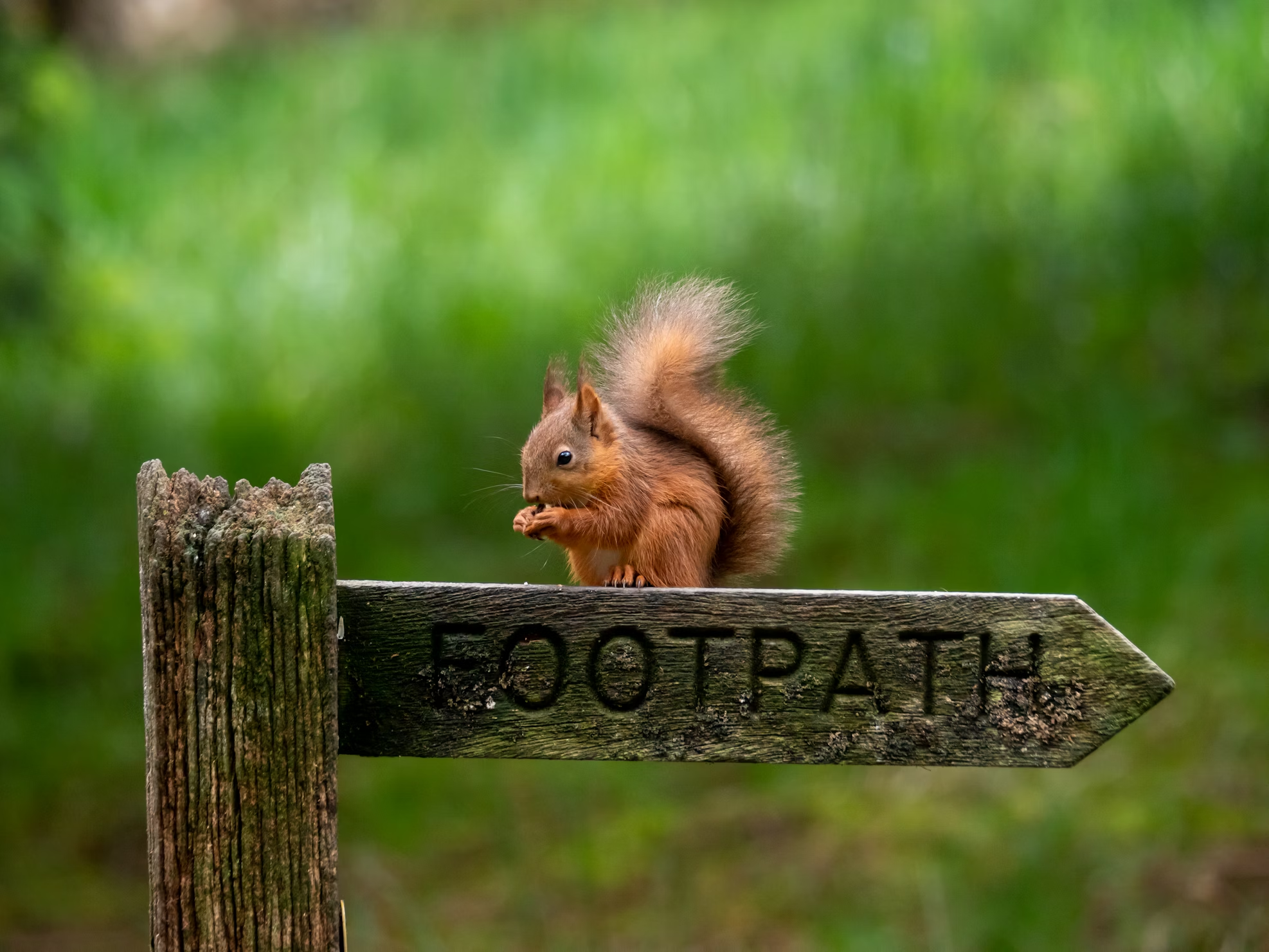
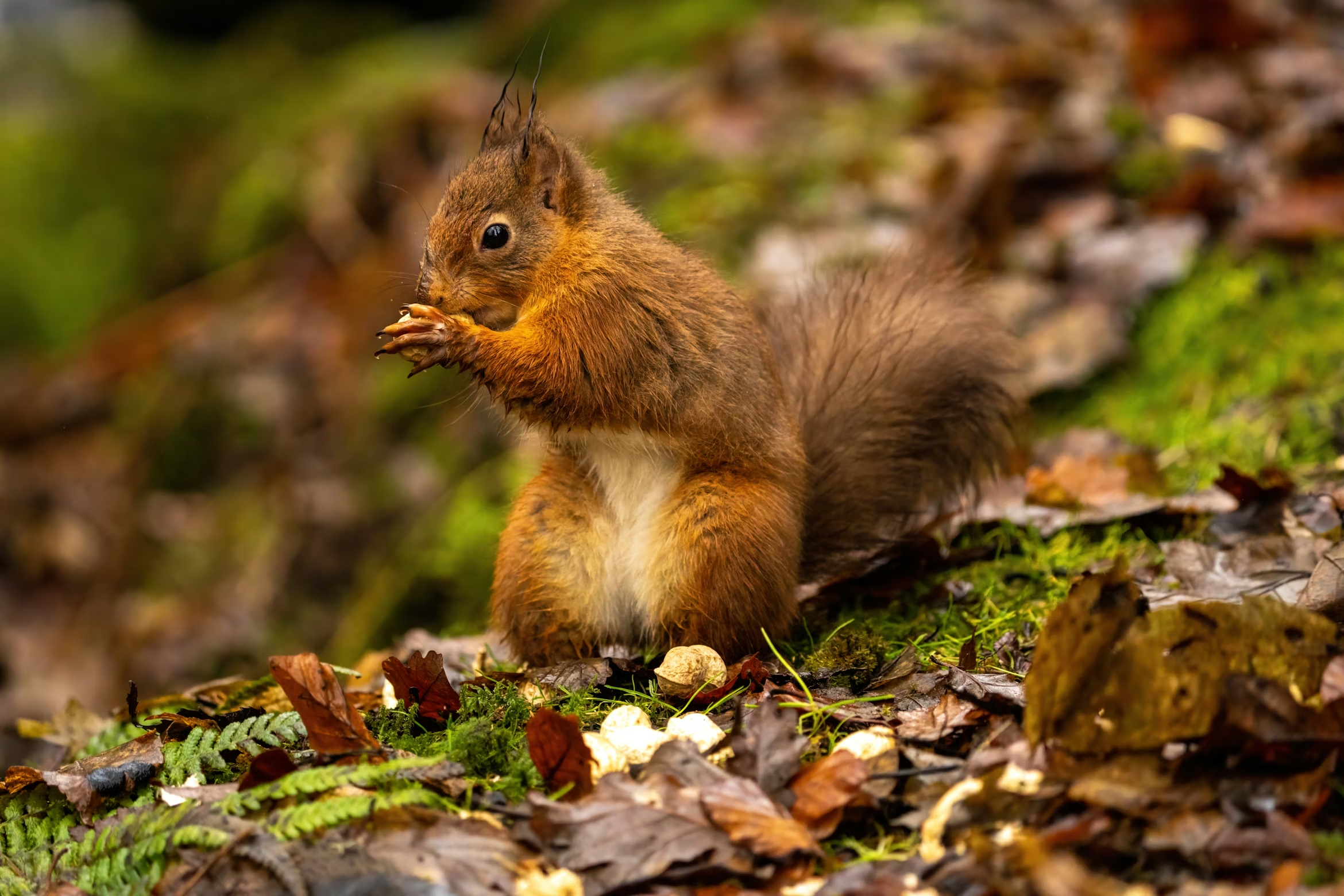
Red squirrels are endangered in the UK due to the introduction of the American grey squirrel and habitat loss. They are omnivores, enjoying many foods ranging from seeds to bird eggs. During winter, they store food in holes and trees.
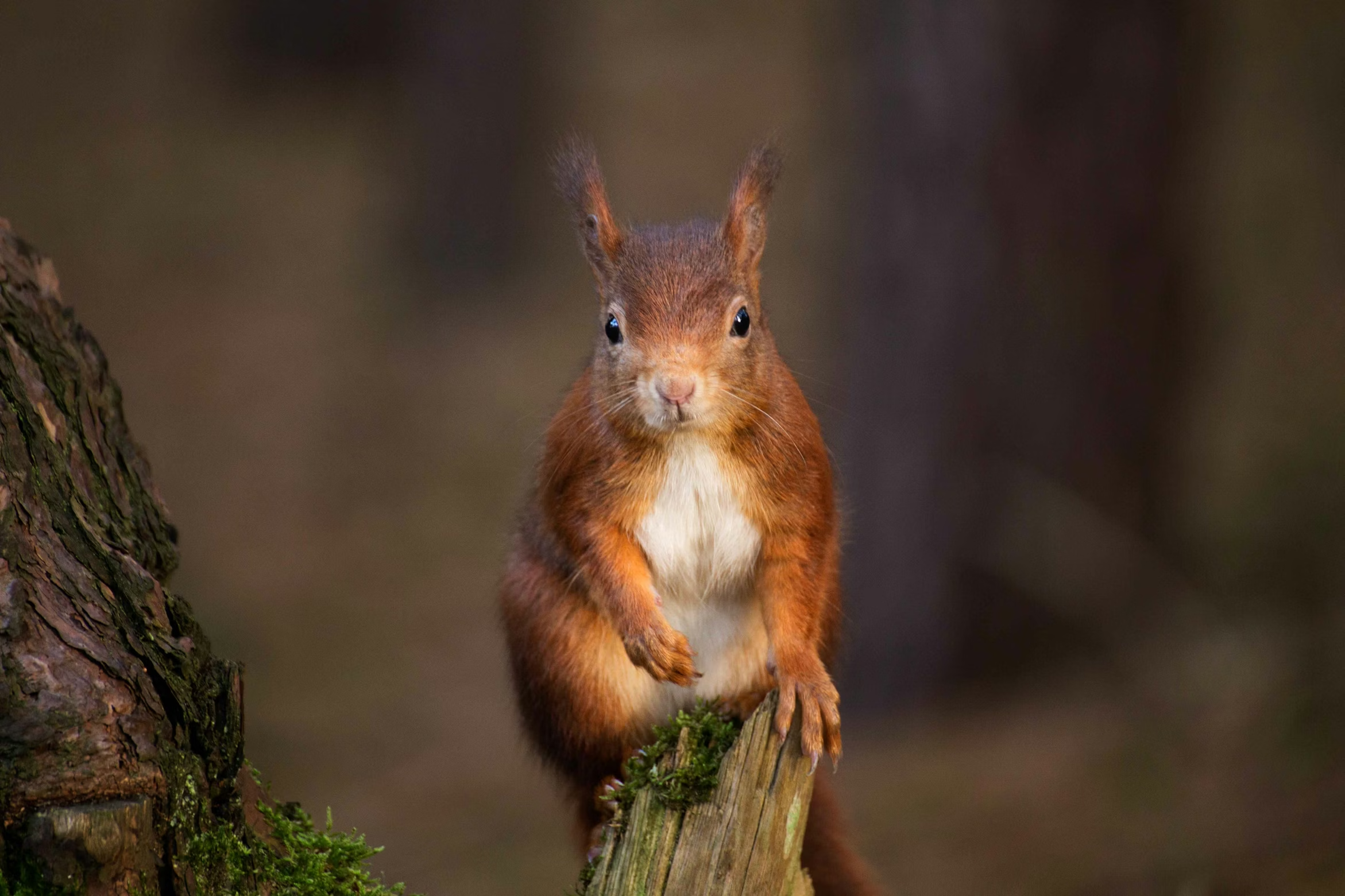
They are covered in bright ginger/red to dark brown fur and tufted ears which lose their tufts in summer.
Did you know? Red squirrels can jump more than two metres!
Their Threats
Predators: The main predators for red squirrels are dogs, cats, foxes, goshawks, stoats and pine martens.
American grey squirrels: The American grey squirrel is an invasive species to the UK. They outcompete them for food and habitat and carry the squirrel pox virus.
Habitat loss: Due to factors such as deforestation and competition from the grey squirrel, habitat loss is a major threat to the red squirrel.
How You Can Help
There are a number of ways you can help red squirrels if you are lucky enough to see them:
- Provide a range of nuts and seeds, hazelnuts are a favourite however, it is best to avoid peanuts
- Only provide food if there are no grey squirrels that visit the area
- Feeders should be placed off the ground to avoid cat attacks and preferably near a tree
- Leave fresh water
- Clean feeders often
Frequently Asked Questions
There is an injured animal in my garden, but it runs off when I approach it
Unfortunately, most wild animals will try to avoid capture no matter the injury it may be suffering with. The best way to help is to try and identify the injury; are they holding or dragging a leg? Can you see any obvious swelling or open wounds to any of the legs or body? If there are open wounds do they look deep, inflamed or infected?
Mobile animals are incredibly difficult to catch.
I think I've found an orphaned animal
If the animal doesn’t appear to be injured, is routinely calling and warm to the touch, monitor the animal for a short while from a distance, the parent may have dropped the animal whilst moving it, and may still be close by.
Due to the number of factors that need to be considered when finding an animal, the best port of call is to give us a call so we can triage the situation appropriately. Our emergency helpline is 01372 360404.
There is an animal entangled in wire, what should I do?
Do not attempt to free the animal yourself. Also, do not go too close to the animal, as it can cause it to become very stressed and possibly do itself more damage. Please, call us and we will send a rescuer.
I have found a dead animal by the roadside, what should I do?
Please, contact your local council, who will advise you on how to dispose of it; some councils may come and collect. Otherwise, you can put it into an overgrown area, and let nature take its course, which is the best option.
If the animal is a badger and found during the period January – April, please, check to see if there are teats, to see if it is a female, and to see if there are any signs that she may have young – heavy, drooping nipples or milk escaping (lactating). If you see any of these signs, there may well be young, nearby. Please, contact the Wildlife Aid Foundation, your local wildlife centre or your local badger group. In Surrey, this will be the West/East Surrey Badger Group, who will go out to search for signs of a sett and listen out for the call of young.