
Common Starling
Sturnus vulgaris
Life History
Length: 21cm
Wingspan: 37-42cm
Weight: 75-90g
Diet: Invertebrates, fruit
When to see them: November to early March
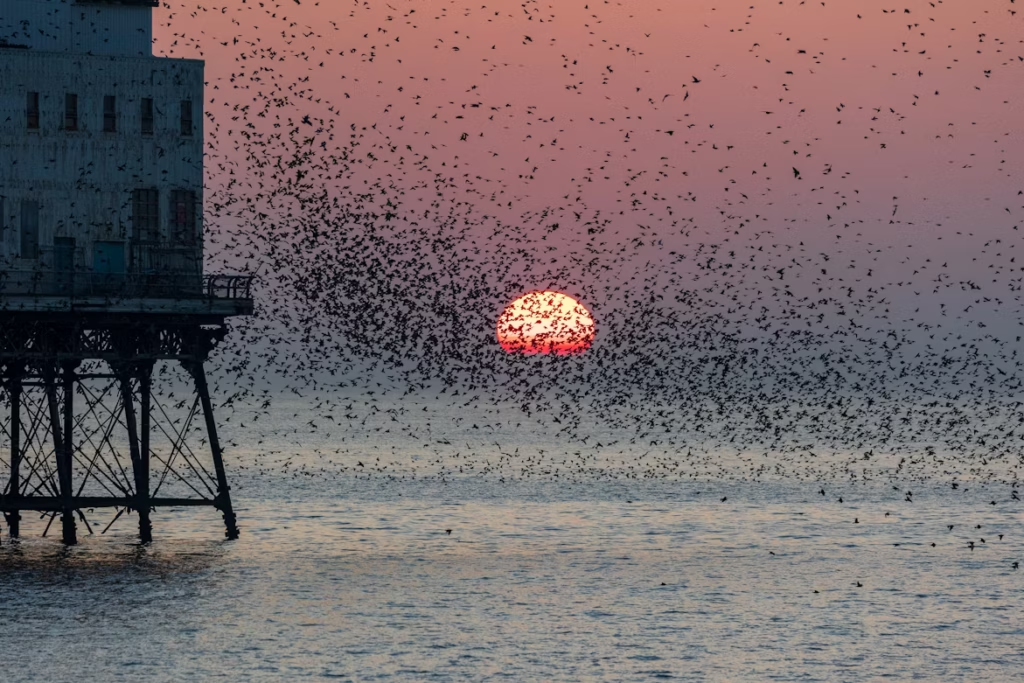
Behaviour: They are famous for flight displays known as murmurations
UK breeding population: 1.8 million pairs
UK conservation status: RED
About
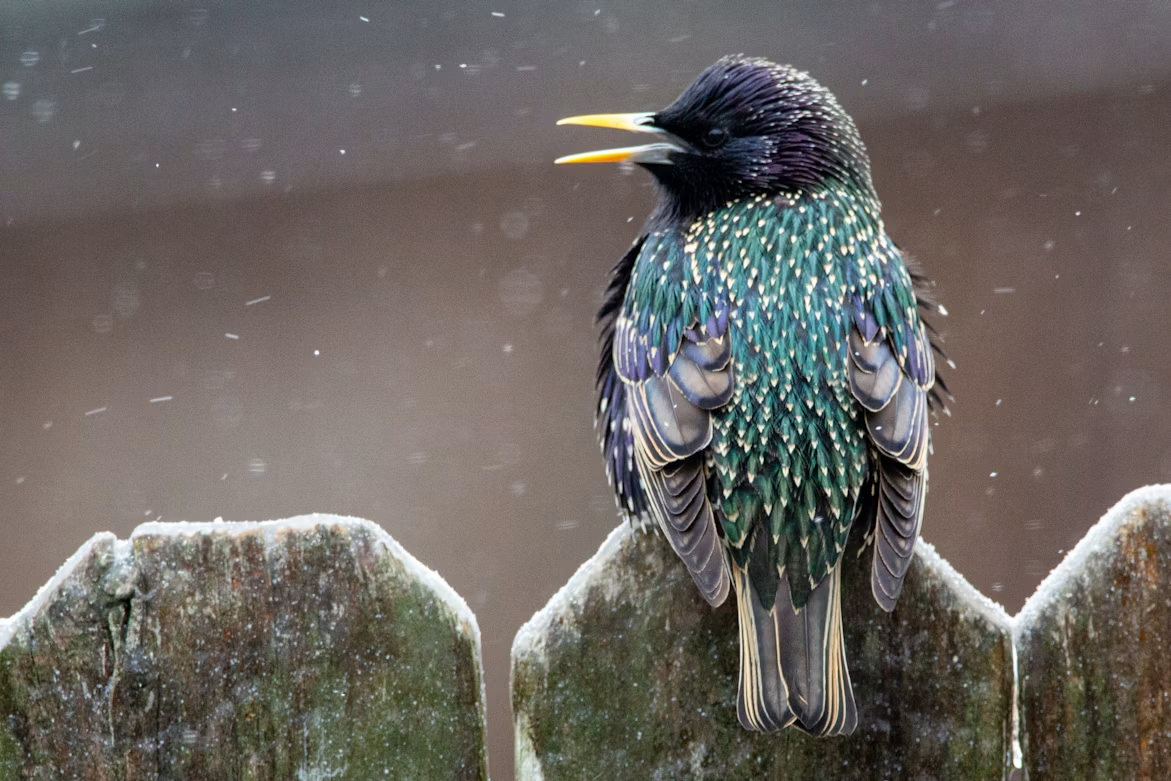
The beloved starling are known for their beautiful flight displays that occur at sunset. During this display, you can see up to hundreds of thousands of starlings gather in flocks that swoop across the sky in synchronisation. They are able to do this due to their fast reaction times, allowing them to mirror birds around them. Flying together confuses predatory species, making it harder for them to pick off individual birds. They also murmurate to spread warmth and communicate the best feeding grounds.
They are resident in the UK all year, however, their numbers increase in winter when more migrate from Scandinavia.
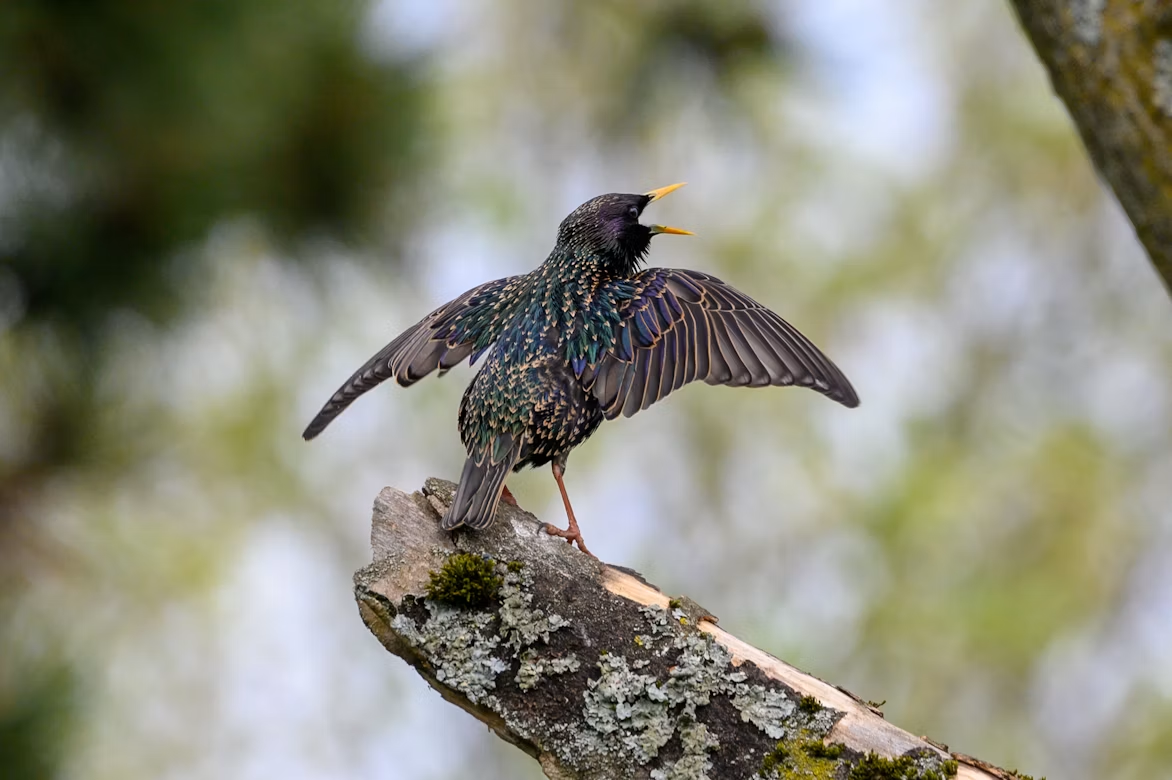
An interesting fact about the common starling is they have the ability to mimic and are really good at it! They can mimic anything from bird calls and human speech to car alarms and ringtones. They do this to attract mates and defend territory.
Their Decline
You may see a flock of starling and think there are many, however, starlings have declined a large 57% between 1995 and 2023, bringing them onto the Red List.
Factors such as pesticides, predators and fewer nesting sites are all contributing to their decline.
How you can help
There are a number of simple ways you can help starling numbers improve:
> Put up starling Nest Boxes.
> Plant wild flowers to encourage invertebrate numbers.
> Attach bells onto breakaway collars for cats
> Submit starling sightings to national surveys.
> Keep a note for a local wildlife rescue in case you find a grounded or injured starling.
If you find a grounded starling:
A healthy starling is capable of taking flight from the ground, if they don’t do this when approached, gently pick the starling up and place it in to a secure box.
Contact your closest wildlife rescue to ensure the starling receives the correct care.